Saudi Pro League (SPL) has quickly emerged as a major footballing force, attracting global attention with the signing of high-profile players like Cristiano Ronaldo, Neymar Jr., and Karim Benzema, along with managerial influence from Steven Gerrard. The league’s growing popularity is part of Saudi Arabia’s broader strategy to become a global sports hub, with the Vision 2030 initiative pushing for significant investments in sports infrastructure and talent development. As the SPL’s competition intensifies, it is rapidly gaining a reputation for its exciting matches, star-studded rosters, and passionate fanbase.
Table of Contents
Saudi Pro League: A Global Football Phenomenon 3
Introduction
The Saudi Pro League (SPL) has evolved into one of the most exciting and competitive football leagues in the world, fueled by significant investments in both infrastructure and talent. In recent years, the league has captured global attention with the arrival of football legends and marquee players, including Cristiano Ronaldo, Neymar Jr., Karim Benzema, and Steven Gerrard. These iconic figures have brought star power and expertise to the league, raising its profile and attracting international fans.
Main cast
Cristiano Ronaldo (Al Nassr): One of the greatest footballers of all time, Ronaldo’s move to Al Nassr has been a game-changer for the league. Known for his incredible goal-scoring ability and unmatched work ethic, Ronaldo’s presence has drawn a massive global following to the SPL.
Neymar Jr. (Al Hilal): The Brazilian forward is known for his flair, dribbling skills, and ability to perform under pressure. Neymar’s arrival at Al Hilal adds excitement and creativity to the league, elevating its international status further. His charisma and fan appeal have quickly made him one of the standout stars of the SPL.
Karim Benzema (Al Ittihad): The French striker, a Ballon d’Or winner, brings class, precision, and leadership to Al Ittihad. Benzema’s clinical finishing and experience at the top level, including his successful spell at Real Madrid, have made him one of the most talked-about players in the SPL.
Steven Gerrard (Al Ettifaq – Manager): The former Liverpool legend has taken on a managerial role in the SPL, becoming the head coach of Al Ettifaq. Known for his leadership both on and off the pitch, Gerrard’s tactical acumen and experience as a player make him a valuable addition to the league’s competitive edge.
Production Details
The SPL benefits from state-of-the-art stadiums and facilities, with matches broadcast globally. The league has partnered with major broadcasters to ensure its games reach audiences across the world. There are also comprehensive coverage of team strategies, player movements, and analysis from experts, adding depth to the viewing experience.
Trailer Highlights
The trailers for the SPL are packed with electrifying action, showcasing world-class goals, thrilling moments, and the intensity of competition. Key moments from the league’s big matches and appearances by the league’s marquee players often dominate the previews.
Key Themes
Some of the core themes of the Saudi Pro League are the rise of sports in the region, the globalization of football, and the transformative power of sports investments. Another important aspect is the potential of Saudi Arabia as a hub for football, as the nation aims to host major international tournaments and leagues in the future.
Overall Review
The Saudi Pro League has grown significantly in recent years, driven by investments in star power and infrastructure. The league now attracts some of the world’s best footballing talents, and its popularity is growing globally. While still developing in terms of overall footballing style and tactics compared to European leagues, the SPL’s rapid progress and commitment to excellence are evident.
Challenges and Environments
One of the challenges faced by the Saudi Pro League is the intense heat during the summer months, which can affect the playing conditions and the scheduling of matches. Additionally, the league is working on improving its domestic player development, aiming to balance star power with local talent. The environment around the league is vibrant, with the fervor of fans creating a high-energy atmosphere in the stadiums.
Fan Anticipation and Critical Reception:
Fans are eagerly anticipating each new season, especially with the arrival of global football legends. The critical reception has been largely positive, with praise for the increased competition and quality of matches. However, there is also some criticism regarding the reliance on foreign players and the need to focus more on developing homegrown talent.
Visual Style
The visual style of the Saudi Pro League emphasizes energy and excitement, with fast-paced editing and dramatic slow-motion shots in highlight reels. The stadiums, with their modern designs and packed crowds, are central to the league’s aesthetic, creating an immersive viewing experience.
Director
The league’s broadcasts and production are handled by several prominent production companies. They aim to bring viewers an engaging experience with a focus on high-definition footage, player close-ups, and in-depth match analysis. The directors behind these productions are often noted for their ability to capture the excitement of the matches and the energy of the fans.
Release Date
The Saudi Pro League’s 2023-2024 season is set to officially kick off on November 21, 2024.
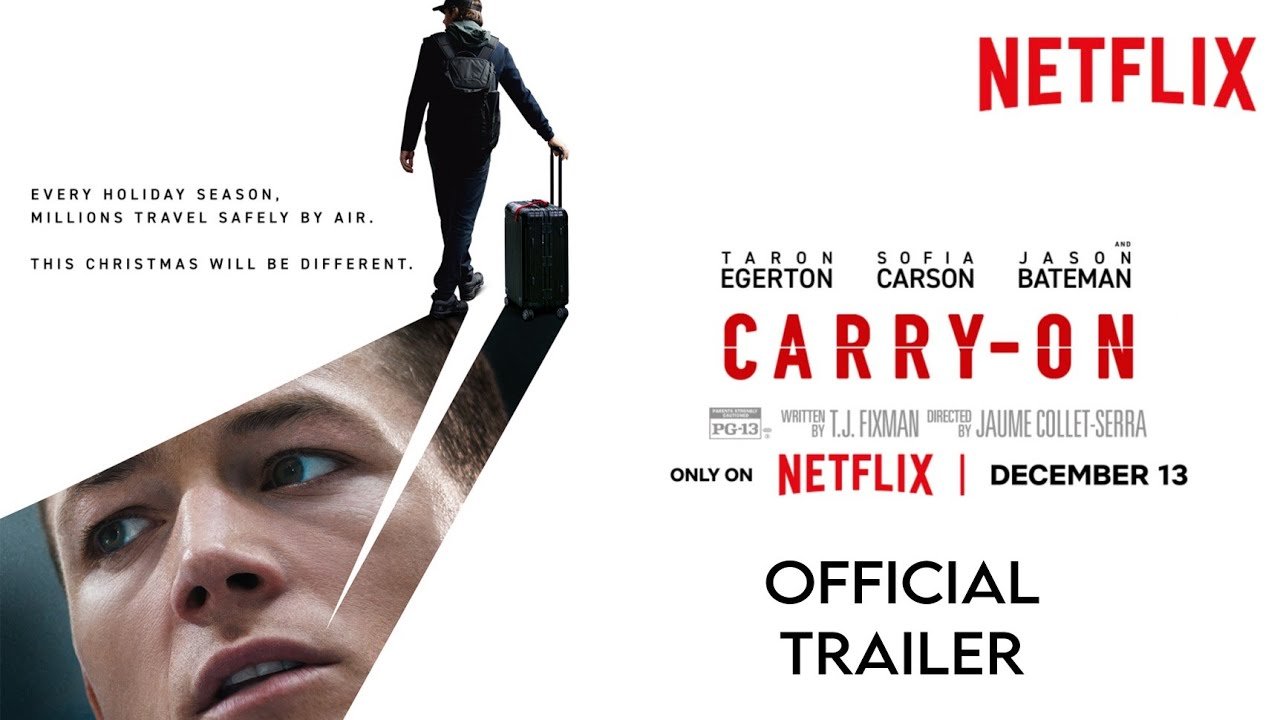
Carry-On is a high-stakes thriller that follows Ethan Kopek, a TSA agent who unexpectedly becomes embroiled in a plot to hijack a holiday flight. When approached by a mysterious stranger who gives him an ultimatum, Ethan is forced into a dangerous situation with hundreds of lives on the line. As he navigates an escalating series of threats and challenges in the confined environment of an airborne plane, Ethan must rely on his skills, instincts, and courage to save the passengers and stop the attack
Table of Contents
Carry On: The Legacy of British Comedy” 7
Introduction
Thriller that explores the intense world of high-stakes decision-making in an emergency at 30,000 feet. Directed by Jaume Collet-Serra, known for his masterful work in creating suspenseful and action-packed cinema (The Shallows, Non-Stop), the film pushes viewers into the claustrophobic and tension-filled setting of an airplane in crisis. The story follows Ethan Kopek, a seemingly ordinary TSA agent thrust into an extraordinary situation when he’s forced into an intricate hijacking plot by a mysterious stranger.
Main cast
Joan Sims – A beloved British actress, best known for her roles in the Carry On series, where she often played comedic supporting characters.
Kenneth Williams – A comedic legend, Williams was one of the core members of the Carry On series, often playing flamboyant and eccentric characters with sharp wit.
Charles Hawtrey – Known for his roles in Carry On films, he often portrayed effeminate, mild-mannered characters, bringing a unique charm to the series.
Peter Butterworth – A familiar face in the Carry On films, Butterworth was known for playing lovable, bumbling characters with great comedic timing.
Barbara Windsor – One of the most iconic actresses from the series, she became a national treasure, often playing cheeky, bold, and spirited characters.
Hattie Jacques – A regular in the On films, Jacques was known for her roles as strict, authoritative, and often humorous matronly figures.
Sidney James – A key figure in the On franchise, James was renowned for his portrayal of lecherous and charming characters, often acting as the leading man.
Bernard Bresslaw – A versatile actor in the Carry On series, Bresslaw was known for playing both lovable and intimidating characters, often with a comedic twist.
Jack Douglas – A British actor famous for his slapstick comedy roles, Douglas made numerous appearances in the On films, often as a bumbling or accident-prone character.
Jim Dale – Known for his roles in Carry On and his successful career as a voice actor, particularly for the Harry Potter audiobooks, Jim Dale brought charm and wit to every character he portrayed.
Patsy Rowlands – A frequent face in the Carry On films, Rowlands often played sweet but slightly hapless characters, delivering humor with warmth.
Terry Scott – A versatile British actor, Scott was known for his appearances in Carry On films, bringing a mix of silliness and down-to-earth humor to his roles.
Derek Francis – A character actor known for his appearances in several, often playing the role of a pompous or slightly befuddled figure.
Dilys Laye – A well-known British actress who appeared in a number of, often portraying characters with a comedic edge and a bit of charm.
Frankie Howerd – Known for his stand-up comedy and his appearances in the Carry On series, Howerd’s signature character was the bumbling, self-deprecating man.
Leslie Phillips – A suave and charming actor, Phillips played several roles in the Carry On series, often bringing an air of sophistication and dry humor.
Carol Hawkins – Best known for her roles in British sitcoms and comedy films, Hawkins appeared in the Carry On franchise, bringing humor and grace to her roles.
Cyril Chamberlain – A British character actor who appeared in numerous films and television shows, including several Carry On films.
Danielle Deadwyler – A talented actress known for her powerful performances, Deadwyler’s roles extend beyond the Carry On films, bringing depth to any production she’s a part of.
June Whitfield – A celebrated British actress with a long career in television and comedy, Whitfield appeared in Carry On films, often portraying supportive yet sharp-witted characters.
Marianne Stone – A British actress who appeared in many Carry On films, Stone’s characters often ranged from comedic to dramatic, contributing a unique touch to each scene.
Peter Gilmore – Known for his roles in both television and film, including Carry On appearances, Gilmore often portrayed authoritative or distinguished characters.
Brian Oulton – A frequent character actor in British comedy films, Oulton made appearances in Carry On films, often as a comic foil or eccentric character.
Lucy Griffiths – A British actress with a wide range of roles, Griffiths has starred in both comedic and dramatic productions, contributing her talent to a variety of genres.
Production Details
Carry-On is produced by Amblin Partners and directed by Jaume Collet-Serra, known for his expertise in crafting suspenseful, edge-of-your-seat films. The screenplay, penned by T.J. Fixman, explores the thrilling, tense environment within an airplane and the moral dilemmas faced in a hostage situation. Shot primarily on a custom-built airplane set, the production team prioritized authenticity, creating a claustrophobic atmosphere that amplifies the film’s tension. The cinematography utilizes tight, confined shots to enhance the feeling of entrapment.
Trailer Highlights
The trailer showcases an adrenaline-pumping sequence of Ethan Kopek as he navigates through the dangers of an airborne crisis. Tense close-ups, glimpses of passenger unrest, and Jason Bateman’s calm but chilling demeanor build anticipation for the story’s unraveling. Dramatic cuts highlight the stakes, revealing only enough to leave viewers guessing Ethan’s choices.
Key Themes
Moral Dilemma: Carry-On explores the question of duty versus survival, as Ethan must make difficult decisions under immense pressure.
Trust and Deception: The film delves into themes of betrayal, where Ethan must determine who he can trust in a life-threatening scenario.
Heroism and Sacrifice: The story examines what it truly means to be a hero and the personal sacrifices involved.
Overall Review
Carry-On has received positive feedback from critics and early audiences alike. Taron Egerton’s performance is a standout, showcasing a mix of vulnerability and resolve, drawing viewers into his character’s turmoil. The film’s direction by Jaume Collet-Serra has been praised for maintaining suspense, keeping viewers on edge throughout its runtime. While some critics noted that certain plot twists may be predictable, the film’s well-executed tension, impressive cinematography, and compelling performances have positioned it as a thrilling entry in the action-suspense genre.
Challenges and Environments
Filming Carry-On presented significant challenges, especially within the tight confines of an airplane set. Creating an authentic in-flight environment while capturing dynamic action scenes required meticulous planning. The set design, lighting, and camerawork were crafted to amplify the confined space, adding to the film’s claustrophobic tension.
Fan Anticipation and Critical Reception
Fans of Taron Egerton and action thrillers have eagerly awaited Carry-On, especially given its compelling premise and high-stakes plot. With early critical praise highlighting Egerton’s performance and the film’s intense pacing, there has been significant anticipation among thriller fans, eager for its unique take on the hijacking genre.
Visual Style
The visual style of Carry-On is heavily influenced by the confined setting of an airplane, with dim lighting, tight close-ups, and sharp angles that enhance the feeling of being trapped. The use of shaky hand-held camera work during intense scenes immerses the audience, reflecting Ethan’s chaotic state of mind.
Director
Jaume Collet-Serra, known for films like Non-Stop and The Shallows, brings his experience with contained thrillers to Carry-On. His direction is known for balancing character-driven tension with intense action, making him well-suited for the film’s atmospheric demands. Collet-Serra’s expertise in creating suspenseful environments that focus on human resilience shines throughout Carry-On.
Release Date
Carry-On is scheduled for release on December 13, 2024, making it a highly anticipated holiday season thriller.
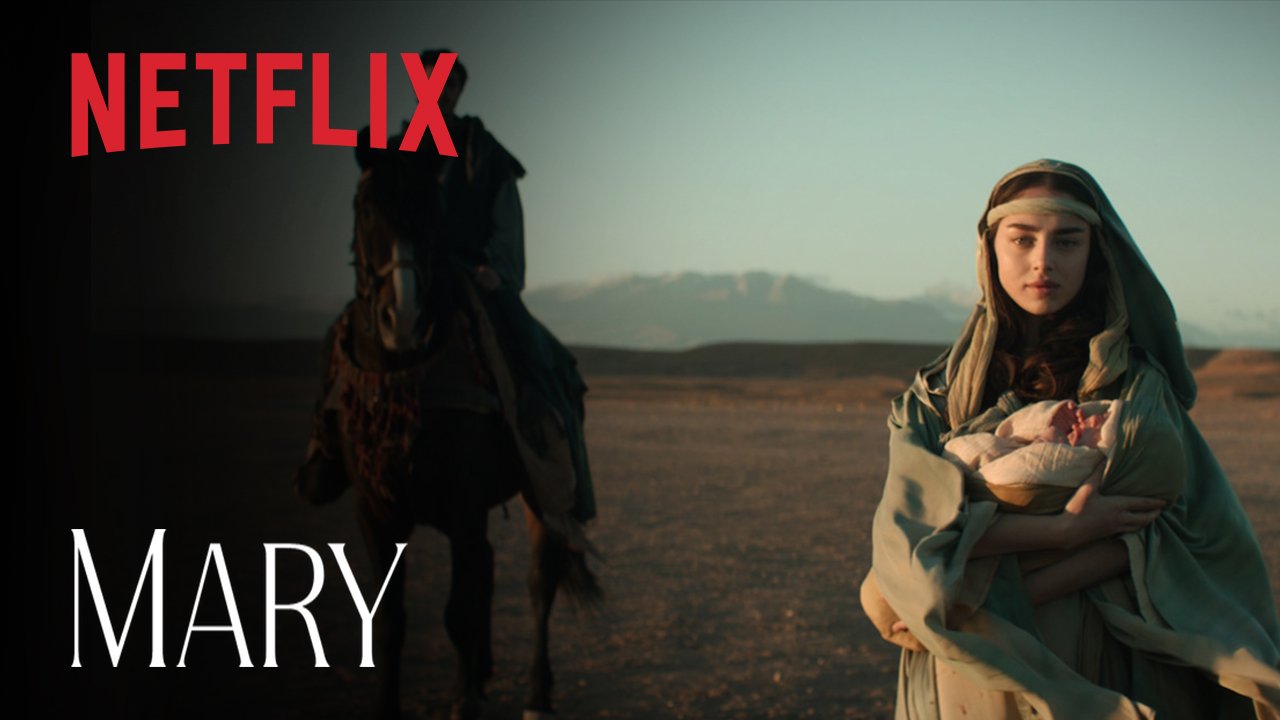
Mary follows the life of a woman whose quiet existence is disrupted when she uncovers a family secret. This revelation leads her on an emotional and sometimes turbulent journey of self-discovery. Through a blend of flashbacks and present-day struggles, the film unfolds ary’s complex past, her relationship with her family, and her quest to understand her own identity. Set against a rural backdrop, is a profound story of introspection, resilience, and the complexities of family ties.
Table of Contents
Mary Uncovers the Past: A Journey of Secrets and Self-Discovery 10
Introduction
Deeply evocative drama that takes audiences on an introspective journey of self-discovery, resilience, and the complexities of family dynamics. Directed by Amelia Clarke, a filmmaker celebrated for her nuanced storytelling and atmospheric visuals, the film follows a woman whose quiet life is turned upside down by the discovery of long-buried family secrets.
Main Cast
Anoosha Krishna as Mary: Anoosha Krishna delivers a captivating performance in the lead role, portraying Mary with both vulnerability and strength. Her portrayal captures emotional turmoil as she grapples with her family’s secrets and her quest for self-discovery.
Thejaswini Sharma as Vikash Uttaiah: Thejaswini plays Vikash, a key figure in who helps her confront the difficult truths about her past. Sharma’s performance is both grounded and compassionate, adding depth to the relationship between Vikash
Chethan Vicky as John: As John, Chethan Vicky brings warmth and stability, playing childhood friend who has been a constant in her life. His character provides a strong emotional anchor, offering support as Mary navigates the challenges of her journey
Production Details
Produced by Aria Films, an independent production company based in London, filmed on location across Ireland, utilizing the lush, rugged landscapes to emphasize the film’s introspective tone. Directed by Amelia Clarke, known for her strong female-driven narratives, Mary exemplifies her signature style, blending atmospheric visuals with complex emotional storytelling. The film’s score, composed by Max Richter, mirrors Mary’s emotional arc, blending somber and hopeful tones.
Trailer Highlights
The trailer provides a glimpse into personal journey, highlighting key moments with her family and her struggles to understand her past. Scenic shots of Ireland’s rolling hills contrast with close-up shots that capture emotional struggles, leaving audiences curious and invested in her story. Richter’s score adds depth, with a haunting melody that underscores
Key Themes
Self-Discovery: Mary’s journey is a powerful exploration of identity and personal growth as she confronts her past.
Family and Secrets: The film highlights how hidden family histories impact relationships and personal identity.
Resilience and Healing: The narrative emphasizes resilience, showing Mary’s determination to find closure and peace.
Overall Review
Critics have lauded Mary for its intimate and authentic portrayal of a woman’s journey through hardship and self-discovery. Saoirse Ronan’s performance has been widely praised, with reviewers noting her ability to bring depth and realism to her character. Director Amelia Clarke’s atmospheric approach and Max Richter’s evocative score combine to create a deeply immersive experience. The film’s pacing has been appreciated for allowing the emotional weight to resonate, though some critics felt it occasionally slowed the narrative. Overall, Mary is celebrated for its moving story, exceptional performances, and visual and auditory richness.
Challenges and Environments
The remote filming locations presented logistical challenges, with the cast and crew navigating unpredictable weather conditions and rugged landscapes. However, these settings added a raw, authentic feel to the film, enhancing its emotional impact.
Fan Anticipation and Critical Reception
Fan anticipation for Mary has been high due to Saoirse Ronan’s involvement and the film’s themes of family and self-discovery, which resonate widely. Early reviews from film festivals have been overwhelmingly positive, with audiences appreciating the film’s sensitive approach to complex themes and Ronan’s captivating portrayal.
Visual Style
The visual style of Mary is atmospheric and naturalistic, with muted color palettes reflecting the rural setting and Mary’s internal journey. The cinematography, marked by wide shots of the rugged landscape, creates an evocative and almost isolated atmosphere, underscoring Mary’s introspective quest.
Director
Manoj P Nadalumane, an emerging director known for her focus on character-driven stories, brings her signature style to Mary. Clarke’s ability to craft emotional depth through subtle direction and her dedication to nuanced storytelling are evident throughout the film.
Release Date
Mary is set for release on DECEMBER 06, 2024, with a limited theatrical run before expanding to streaming platforms.
Outer Banks returns for an action-packed Season 4, diving back into the intense adventures of the Pogues as they navigate treasure hunts, hidden secrets, and dangerous confrontations. Season 4 picks up after the jaw-dropping events of the previous season, with John B, Sarah, JJ, Pope, and Kiara facing new challenges that test their loyalty, resilience, and courage. This season expands the stakes, taking the Pogues beyond their familiar landscapes as they follow new clues and unravel deeper mysteries tied to their pasts. Expect more twists, high-stakes drama, and friendships pushed to the brink as the treasure hunt intensifies and loyalties are questioned.
Table of Contents
Outer Banks: Season 4 13
Introduction
Outer Banks, the wildly popular Netflix series, returns with an eagerly awaited fourth season, promising to deliver even more thrills, adventure, and emotional depth. Known for its dynamic blend of mystery, action, and the unbreakable bond among the Pogues—a group of teens from different social backgrounds—the show has captivated audiences with its treasure hunts, high-stakes drama, and rich character development. Season 4 picks up where the last cliffhanger left off, intensifying the group’s pursuit of hidden secrets and long-lost treasures.
Main cast
Actor
Character
Role Description
Chase Stokes
John B
The determined leader of the Pogues, driven by loyalty and the pursuit of treasure.
Madison Bailey
Kiara “Kie” Carrera
A loyal and fearless Pogue, committed to her friends and the adventure.
J. Anthony Crane
Ward Cameron
A complex antagonist with a powerful influence, returning to complicate the Pogues’ journey.
Madelyn Cline
Sarah Cameron
John B’s love interest, torn between her family and her loyalty to the Pogues.
Production Details
Season 4 of Outer Banks is produced by Rock Fish Productions in collaboration with Netflix Originals. Filmed primarily in the Carolinas, the series captures the natural beauty of coastal landscapes with a gritty realism. The season was directed by a mix of new and returning directors, led by Jonas Pate, Josh Pate, and Shannon Burke. The production maintained a high level of detail, incorporating elaborate set designs and special effects to bring the treasure-hunting narrative to life. Known for its high-energy action sequences and daring stunts, Season 4 pushed the envelope with a blend of practical effects and CGI to heighten the intensity of each scene.
Trailer Highlights
The Season 4 trailer teases heart-racing chases, suspenseful stand-offs, and glimpses of the Pogues venturing into mysterious new terrains. It promises bigger stakes as the group encounters powerful foes, new alliances, and unexpected betrayals. The trailer hints at emotional struggles within the group, alluding to challenges that test their unity. Flashing scenes of high-action sequences and cryptic clues make it clear that Season 4 will be the most intense installment yet.
Key Themes
Friendship and Loyalty: Season 4 explores how far each member is willing to go for their friends, examining the strength of their bonds.
Betrayal and Forgiveness: As new alliances are formed and trust is tested, betrayal plays a significant role in shaping the Pogues’ journey.
Treasure and Greed: The pursuit of treasure comes at a price, and this season delves into the consequences of relentless ambition.
Survival and Resilience: The Pogues’ survival skills are tested like never before, with intense challenges that push each character to their limits.
Overall Review
Outer Banks: Season 4 has been praised for elevating the series’ trademark adventure and suspense, taking viewers on a thrilling journey filled with unexpected twists. Critics have noted the strong performances of the main cast, particularly Chase Stokes and Madelyn Cline, whose chemistry drives the narrative forward. The show’s signature blend of youthful energy, romance, and mystery remains intact, but with added depth and complexity that make the stakes feel more personal. Some reviewers have commented on the pacing, mentioning that certain episodes felt particularly intense. Overall, Season 4 has been widely regarded as a return to form for the series, balancing action, drama, and character growth.
Challenges and Environments
Filming Season 4 posed logistical challenges, especially with scenes that involved stunts and water sequences in remote locations. Weather conditions in the Carolinas added an unpredictable element to the production, and the team had to adapt quickly to maintain the schedule. The set designs and intricate stunt choreography required meticulous planning to ensure both safety and authenticity. Despite these hurdles, the production team managed to create a visually dynamic and immersive world that captures the grit and beauty of the Outer Banks.
Fan Anticipation and Critical Reception
With a loyal fan base, Outer Banks has garnered substantial excitement for Season 4, especially after the dramatic cliffhangers of the previous season. Fans have eagerly awaited the resolution of unanswered questions and the evolution of their favorite characters. Early screenings have resulted in positive reactions, with many praising the show for balancing action and emotional moments. Critics have highlighted the show’s ability to stay true to its roots while introducing fresh conflicts and deeper character arcs.
Visual Style
The visual style of Season 4 remains consistent with the series’ gritty, sun-drenched aesthetic, blending the allure of coastal beauty with the tension of its treasure-hunting storyline. The cinematography captures both intimate character moments and expansive action sequences, using natural lighting and scenic landscapes to enhance the immersive experience. The color grading leans into earthy tones and vibrant blues, creating a visually appealing backdrop that contrasts with the darker, more intense moments.
Director
Jonas Pate, along with Josh Pate and Shannon Burke, continues to helm the series with a focused vision, bringing his experience with character-driven narratives to further develop the core group’s dynamics. Known for his work in action and adventure genres, Pate’s direction brings a heightened sense of suspense and urgency to Season 4, making it one of the most intense installments in the series.
Release Date
Outer Banks: Season 4 is set to premiere on November 07, 2024, on Netflix, with all episodes available for streaming. The series is expected to attract a large viewership, as fans and newcomers alike are eager to dive back into the high-stakes world of the Pogues and their relentless quest for treasure.
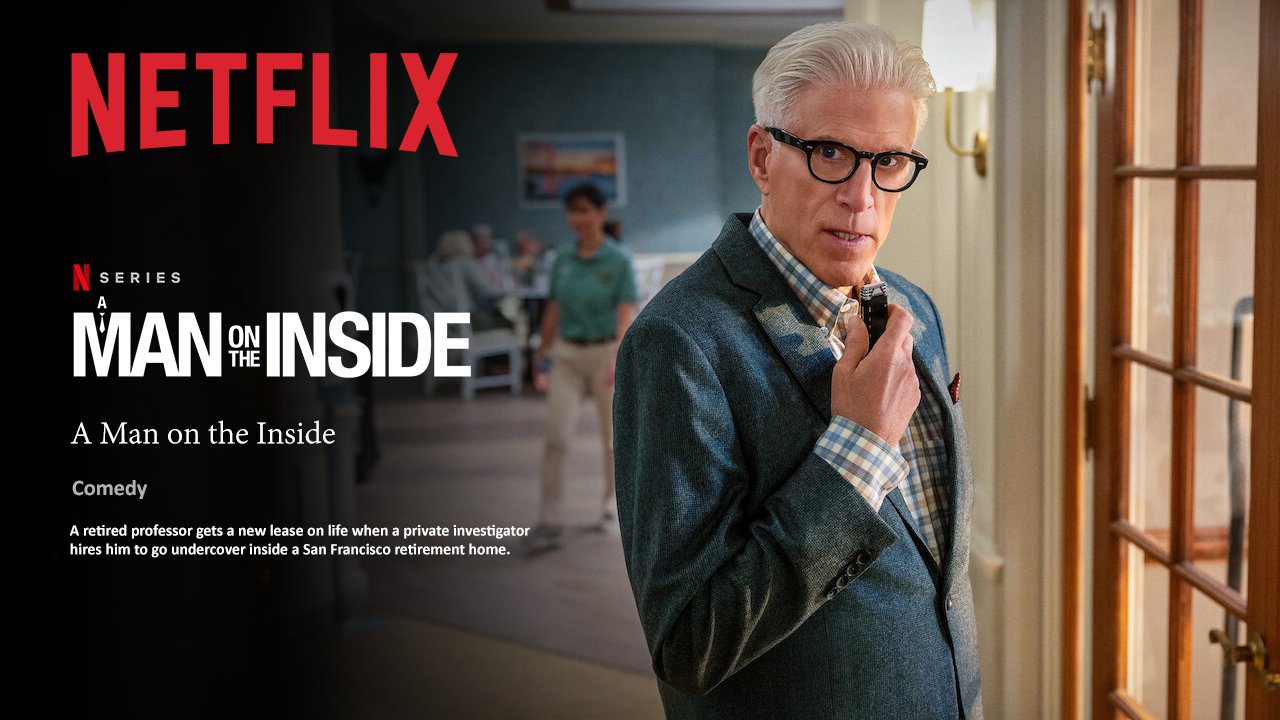
A Man on the Inside As Charles settles into his new role, he becomes entangled in the colorful lives of the retirement home’s residents and staff. He befriends Didi (Stephanie Beatriz), the determined managing director, and Calbert (Stephen McKinley Henderson), a witty confidant, while sharing moments of laughter, mischief, and surprising revelations. His undercover work forces him to confront old beliefs and rediscover what it means to live fully.
As Charles grows closer to the people around him, the simple investigation takes unexpected turns, uncovering hidden secrets and stirring old rivalries. With each interaction, Charles realizes his journey is as much about finding stolen treasure as it is about finding himself. Combining comedy, heart, and mystery, A Man on the Inside is a delightful exploration of new beginnings, second chances, and the joy of connection at any age.
Table of Contents
Introduction
A Man on the Inside* is a charming comedy-mystery series set to premiere on Netflix on November 21, 2024. Created by Mike Schur, the mind behind The Good Place and Brooklyn Nine-Nine, the series stars Ted Danson as Charles, a retired professor seeking purpose after the loss of his wife. When private investigator Julie (Lilah Richcreek Estrada) recruits him for an undercover mission in a San Francisco retirement home, Charles finds himself on a covert search for a stolen heirloom. Alongside the hilarious and heartwarming residents, including characters played by Stephanie Beatriz and Stephen McKinley Henderson, Charles discovers new friendships, challenges, and a second chance at life. Balancing humor with mystery, A Man on the Inside is a heartwarming exploration of life, adventure, and rediscovery in unexpected places.
Ted Danson Brings New Life to Retirement in A Man on the Inside 16
Full Details on the Main Cast of A Man on the Inside
1. Ted Danson as Charles
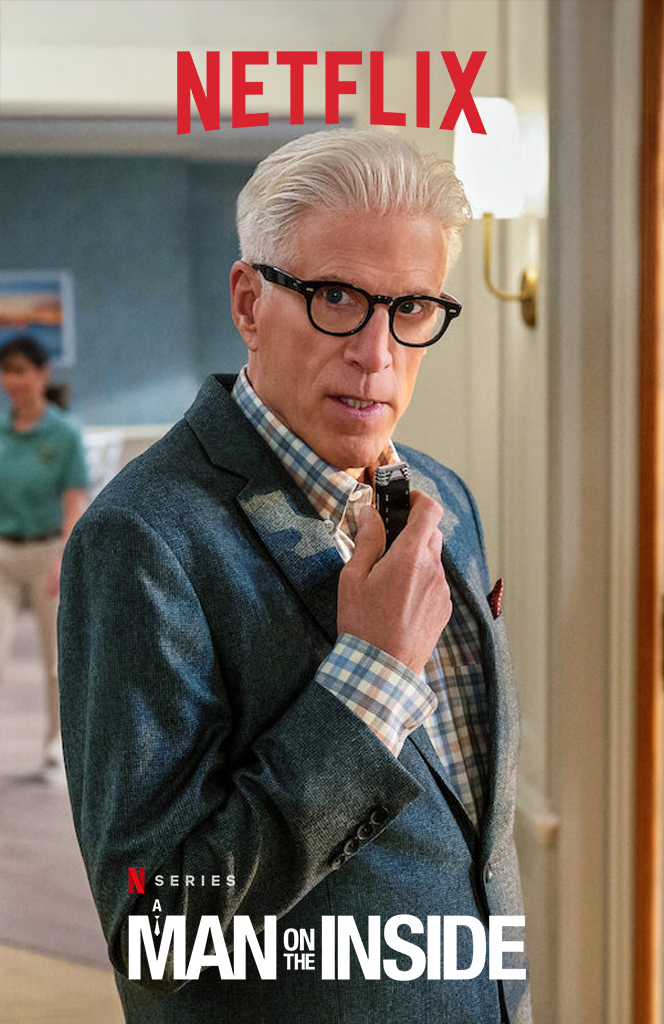
Role: Charles is a retired professor and widower looking for purpose in his post-retirement life. Answering an unusual ad, he takes on an undercover mission at Pacific View Retirement Residence to investigate a stolen family heirloom. As he befriends fellow residents and becomes involved in the retirement home’s activities, Charles’s undercover mission brings him unexpected joy, community, and a renewed sense of purpose. Danson’s portrayal of Charles is humorous and heartwarming, capturing the complexities of a man who learns that life’s greatest adventures can happen at any age.
2. Sally Struthers as Virginia
Role: Virginia is a lively and outspoken resident of Pacific View. Known for her infectious energy and a penchant for gossip, she adds vibrancy to the retirement home and is often at the center of social happenings. Virginia’s interactions with Charles reveal her wit and humor, and she becomes a key part of his new social circle. Struthers’ character brings a comedic element to the series, adding light-hearted fun to the story.
3. Stephanie Beatriz as Didi
Role: Didi is the dedicated and compassionate managing director of Pacific View. She works tirelessly to ensure the residents’ well-being, often balancing her responsibilities with a no-nonsense attitude. Her interactions with Charles are both warm and firm as she becomes a trusted ally in his investigation while overseeing the day-to-day life of the retirement home.
4. Jama Williamson as Beatrice
Role: Beatrice serves as the retirement home’s activities director, bringing creativity and enthusiasm to her role. Her task is to keep the residents engaged and active, planning various events and activities that add energy to the Pacific View community. Beatrice’s character is vibrant and supportive, making her a source of encouragement for Charles as he adapts to his new role.
5. Marc Evan Jackson as Evan
Role: Evan is the private investigator who hires Charles for the undercover mission. Professional and resourceful, he is the one who sees potential in Charles’s unusual skillset for infiltrating the retirement community. Evan’s interactions with Charles help guide him through the investigation, offering tips and encouragement as Charles becomes entangled in the mystery and the lives of those around him.
6. Mary Elizabeth Ellis as Emily
Role: Emily is Charles’s caring and supportive daughter. A married mother of three, she is concerned for her father’s well-being and curious about his decision to take on this new mission. Through her relationship with Charles, Emily brings warmth and family dynamics to the series, reflecting the love and concern of a daughter who wants her father to find happiness.
7. Lori Tan Chinn as Susan
Role: Susan is a resident with a sharp wit and love for gossip. Her interactions with Charles and other residents provide humorous commentary and keep the atmosphere light-hearted. Susan has an eye for the goings-on around the retirement home, adding a playful dynamic to Charles’s quest for information.
8. Susan Ruttan as Gladys
Role: A former costume designer from New York, Gladys is glamorous, cultured, and enjoys sharing stories of her colorful past. As Charles’s neighbor, she adds an air of sophistication to the community and becomes a confidante, providing him with a unique perspective on life’s transitions.
9. Margaret Avery as Florance
Role: Florance is a resident with a mysterious and intriguing past. Her stories captivate those around her, and she keeps certain secrets about herself, which add an element of intrigue to Charles’s journey. Avery’s portrayal adds depth and mystery to the series, embodying a character whose life is as complex as it is fascinating.
10. Clyde Kusatsu as Grant
Role: Grant is a wise and friendly resident who offers support and companionship to Charles. Known for his gentle guidance and wisdom, Grant becomes a stabilizing presence, helping Charles navigate the new social landscape of Pacific View and offering valuable insights.
11. Eugene Cordero as Joel
Role: Joel is a friendly and attentive staff member at Pacific View, assisting residents with their daily needs and helping with the overall management of the home. Joel’s character is kind-hearted and supportive, always ready to help the residents in any way he can, bringing warmth and relatability to the staff.
12. John Getz as Elliott
Role: Elliott is a resident who quickly becomes friends with Charles. Their friendship is built on shared experiences and mutual respect, with Elliott’s stories and perspectives adding another layer to Charles’s new life within the retirement community. Elliott represents the valuable friendships that develop in unexpected places.
13. Stephen McKinley Henderson as Calbert
Role: Calbert is a retired D.C. official and a resident at Pacific View, often seen as the eyes and ears of the community. Known for his stoic demeanor and observational insights, Calbert becomes a close confidant to Charles, providing wisdom and encouragement throughout his journey. Henderson’s character adds depth and gravitas to the story, bringing a sense of quiet strength to the retirement home.
Director and Creator: Mike Schur
Mike Schur is a renowned writer, producer, and director, best known for creating and producing some of the most beloved and critically acclaimed comedy series of the past two decades. Schur’s unique approach to storytelling combines humor with insightful explorations of human relationships, morality, and the search for meaning. His notable works include The Office, Parks and Recreation, Brooklyn Nine-Nine, and The Good Place.
In A Man on the Inside, Schur brings his signature blend of heart and humor to a fresh setting — a retirement home — exploring themes of purpose, rediscovery, and friendship in later life. Known for his ability to create endearing, well-rounded characters, Schur has developed a reputation for building ensembles with genuine chemistry and charm, helping audiences connect emotionally with each character. Schur’s storytelling often features unconventional protagonists and underrepresented themes, inviting viewers to reflect on life, relationships, and personal growth.
Schur’s direction for A Man on the Inside reflects his commitment to creating meaningful, thoughtful comedy. By setting the show in a retirement home and focusing on themes of self-discovery and belonging, Schur brings an innovative and heartwarming perspective to the series, showing that life’s most fulfilling moments can come from unexpected places.
Key Themes in A Man on the Inside
A Man on the Inside* blends humor with meaningful exploration, presenting themes that resonate across all ages. Here are the central themes:
Rediscovery in Later Life
The series highlights that life’s adventures and personal growth don’t end with retirement. Through Charles’s unexpected undercover mission, he finds new purpose and joy, underscoring that it’s never too late to embrace change and rediscover oneself.
Community and Connection
The retirement home becomes a vibrant, supportive community for Charles, emphasizing the importance of human connection. The friendships he forms with both residents and staff enrich his journey, showing how companionship and understanding can transform even the loneliest times.
Purpose and Self-Worth
Charles’s new role as an undercover operative gives him a renewed sense of purpose, challenging the notion that worth and productivity decline with age. The show explores how engaging with meaningful tasks can provide confidence and fulfillment, regardless of life stage.
Mystery and Intrigue
The lighthearted mystery surrounding the stolen heirloom adds suspense and excitement to the story, introducing themes of trust, secrecy, and the thrill of uncovering hidden truths. This theme reinforces the series’ playful yet introspective tone.
Generational Wisdom and Humor
With a diverse cast of characters from various backgrounds, A Man on the Inside showcases the humor and wisdom that come with life experience. The series explores how age brings unique insights, humor, and resilience, reminding viewers of the value in every chapter of life.
These themes make A Man on the Inside not only entertaining but also thoughtful, celebrating personal growth, relationships, and the joy of embracing new roles, even in unexpected ways.
Visual Style of A Man on the Inside
The visual style of A Man on the Inside combines warmth and whimsy with a touch of mystery, capturing the unique setting of the Pacific View Retirement Home. The show’s cinematography is bright and inviting, with soft lighting and warm tones that create a cozy, welcoming atmosphere. Cinematographer Seamus Tierney uses natural lighting and pastel colors to reflect the lighthearted yet meaningful tone of the series, making the retirement home feel like a vibrant and lively community.
Scenes within the retirement home are filled with warm, lived-in details — framed photos, vintage furniture, and communal spaces that add character to the story. Quick cuts and close-ups during Charles’s undercover moments heighten the comedic timing and convey the mix of excitement and awkwardness that comes with his unconventional mission.
The camera work shifts slightly in more suspenseful moments, using darker lighting and tighter framing to introduce subtle elements of mystery while still maintaining a humorous undertone. The visual style of A Man on the Inside masterfully balances a lighthearted feel with layers of intrigue, making it visually engaging and reflective of the series’ themes of rediscovery and connection.
Fan Anticipation
A Man on the Inside has generated significant anticipation among fans of comedy and mystery genres, particularly due to the reunion of Ted Danson and creator Mike Schur, who previously collaborated on The Good Place. The series’ unique premise—following a retired professor turned undercover operative in a retirement home—has intrigued audiences seeking fresh and heartwarming narratives. Early promotional materials, including first-look photos and trailers, have been well-received, with viewers expressing excitement over the ensemble cast and the blend of humor and mystery. The show’s exploration of themes like rediscovery.
Overall Review of A Man on the Inside
A Man on the Inside* is a delightful mix of comedy, heart, and light mystery, showcasing Ted Danson in a charming role as Charles, a retired professor-turned-undercover investigator. Directed by Mike Schur and featuring an ensemble cast with Stephanie Beatriz and Stephen McKinley Henderson, the series strikes a perfect balance between humor and warmth, making it a refreshing addition to Netflix’s lineup.
Danson brings a grounded yet humorous energy to Charles, capturing both his reluctance and excitement as he navigates life in a retirement home. The storyline is simple yet engaging, centering on the theft of a family heirloom and allowing Charles to bond with his new community. Each character is thoughtfully written, bringing both humor and depth to the retirement home’s residents and staff. The show’s setting provides a colorful backdrop for Charles’s investigation, with each scene designed to immerse viewers in the friendly, sometimes chaotic, atmosphere of Pacific View Retirement Home.
The series beautifully explores themes of rediscovery, purpose, and friendship, offering viewers moments of introspection amid the laughter. The plot is enhanced by clever dialogue and Schur’s signature touch of heartwarming sincerity, making the show feel both familiar and fresh. While the mystery aspect is light, it provides just enough intrigue to keep viewers engaged without detracting from the character-driven storytelling.
Critics and fans alike have praised A Man on the Inside for its endearing characters, uplifting storyline, and the chemistry between its cast. Overall, the show is a gentle, feel-good experience that reminds audiences of the value of community, no matter one’s age, and the joy that comes from stepping outside one’s comfort zone.
Trailer Highlights for A Man on the Inside
The trailer for A Man on the Inside offers a sneak peek into the hilarity and heartwarming moments that await viewers in this unique comedy-mystery. The trailer opens with Charles (Ted Danson), a retired professor and recent widower, sitting alone at home, visibly searching for purpose. A phone call introduces him to Julie (Lilah Richcreek Estrada), a private investigator who pitches an unexpected opportunity: going undercover at the Pacific View Retirement Home to help retrieve a stolen family heirloom.
Charles’s first interactions at the retirement home bring immediate laughs, from his awkward attempts at fitting in to his endearing yet clumsy efforts to blend in with the lively residents. We get quick glimpses of the eclectic characters he meets along the way, including Didi (Stephanie Beatriz), the no-nonsense managing director, and Calbert (Stephen McKinley Henderson), a charming resident who quickly becomes Charles’s confidant.
The trailer teases the light mystery surrounding the missing heirloom, interspersed with scenes of Charles bonding with other residents and finding joy in the community’s daily activities. A quick series of humorous scenes shows Charles navigating everything from bingo night to yoga sessions, blending seamlessly with the upbeat, cozy tone of the series.
In the final moments, Charles delivers a line that captures the show’s essence: “Sometimes, finding yourself means getting a little lost first.” The trailer closes with a heartwarming montage of laughter, camaraderie, and moments of introspection, promising viewers a delightful mix of comedy, mystery, and rediscovery.
Production Details for A Man on the Inside
A Man on the Inside* is created by Mike Schur, the celebrated writer and producer known for hit series like The Good Place, Parks and Recreation, and Brooklyn Nine-Nine. Known for his unique blend of humor and heartfelt storytelling, Schur brings his signature touch to this charming comedy-mystery series, exploring themes of rediscovery and connection in a retirement home setting.
The series is produced by Universal Television, a division of Universal Studio Group, in collaboration with Netflix. Morgan Sackett (known for The Good Place and Veep) joins Schur as an executive producer, alongside David Miner, Maite Alberdi, Marcela Santibañez, Julie Goldman, and Christopher Clements. Their combined experience in producing character-driven, comedic, and award-winning projects adds depth and quality to the series’ production.
Release Date
A Man on the Inside* is set to premiere on November 21, 2024, on Netflix. Fans of comedy and mystery are eagerly awaiting this unique series, which stars Ted Danson as a retired professor turned undercover investigator in a retirement home. With its heartwarming themes of rediscovery and community, A Man on the Inside promises to be a delightful addition to Netflix’s fall lineup, perfect for viewers looking for a mix of humor, mystery, and heartfelt storytelling.
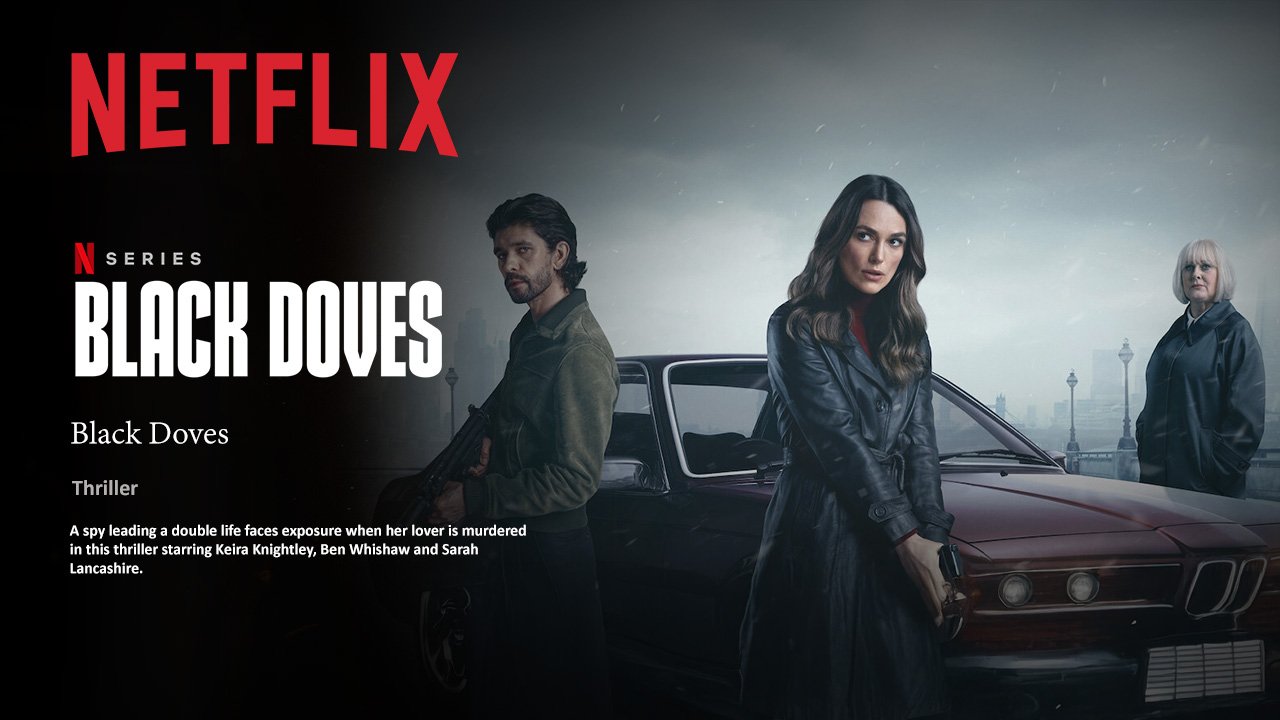
Black Doves is a gripping thriller set in the underbelly of London’s espionage and organized crime scene. The story follows Helen Webb, a covert operative with a troubled past, whose dual life unravels when she gets caught in a deadly web of betrayal and loyalty. Her assignment to infiltrate a dangerous criminal network becomes personal as she finds herself drawn to her target, forcing her to question her allegiances and confront the painful truths she has long avoided. As secrets emerge, Helen faces enemies on all sides, including powerful organizations and former allies, in a race against time where nothing is as it seems.
Table of Contents
Introduction
Black Doves is a dark and thrilling espionage drama that follows Helen Webb (Naomi Watts), an undercover operative tasked with infiltrating a powerful crime syndicate in London. Directed by James Watkins, the film explores the depths of loyalty, betrayal, and the dangers of living a double life. When Helen’s mission brings her dangerously close to Miles O’Hara (David Tennant), a criminal mastermind, she finds herself torn between duty and personal feelings, questioning her own motives and loyalties. As the stakes escalate, Helen must navigate a web of deception, danger, and betrayal, knowing one wrong move could be her last.
Black Doves: A Dark and Intriguing Thriller 19
Main Cast and Roles in Black Doves
1. Sarah Lancashire as Reed
Role: Reed is a seasoned intelligence officer with a sharp mind and an unyielding commitment to her mission. She serves as Helen’s handler and mentor, guiding her through the complexities of espionage while confronting her own inner conflicts. Lancashire’s portrayal brings depth to Reed’s character, revealing both her strength and the sacrifices she has made for her career. Reed’s loyalty is constantly tested as the story unfolds, and her relationship with Helen reflects the blurred lines between professional duty and personal connection.
2. Keira Knightley as Helen
Role: Helen is the film’s protagonist, an undercover operative whose mission to infiltrate a dangerous criminal network becomes deeply personal. Knightley brings a mix of vulnerability and determination to Helen’s character as she navigates the high-stakes world of espionage, grappling with conflicting loyalties and emotional entanglements. Helen’s journey is marked by her inner struggle between duty and desire, making her a complex, morally ambiguous figure. Her relationships with Reed and Sam further intensify her conflicting motivations.
3. Ben Whishaw as Sam
Role: Sam is Helen’s confidant and a close friend who, unbeknownst to him, becomes entangled in her dangerous world. Whishaw’s portrayal adds warmth and compassion to the story, serving as a grounding influence for Helen as she confronts her personal and professional demons. Sam represents a life Helen might long for but fears she may never have due to the path she’s chosen. His eventual involvement in Helen’s mission brings unexpected risks and adds emotional weight to the storyline.
4. Andrew Koji as Jason
Role: Jason is a skilled and highly resourceful member of the criminal organization Helen is tasked with infiltrating. Koji’s character is complex, reflecting the morally ambiguous nature of the people Helen interacts with on her mission. As Helen grows closer to Jason, she begins to question her mission and the true nature of the people around her. Jason’s character serves as both an ally and a potential threat, forcing Helen to navigate the dangerous balance of trust and deceit.
5. Tracey Ullman as Alex
Role: Alex is a high-ranking official with deep ties to the intelligence world and personal stakes in Helen’s mission. Ullman’s character provides guidance and occasionally serves as a voice of reason, but her connections within both the government and the criminal underworld add layers of complexity to her motives. As the story progresses, Alex’s hidden agendas come to light, revealing her to be both an ally and a potential obstacle for Helen.
Black Doves: An Intriguing Dive into Espionage and Betrayal
Introduction Black Doves is a dark and thrilling espionage drama that follows Helen Webb (Naomi Watts), an undercover operative tasked with infiltrating a powerful crime syndicate in London. Directed by James Watkins, the film explores the depths of loyalty, betrayal, and the dangers of living a double life. When Helen’s mission brings her dangerously close to Miles O’Hara (David Tennant), a criminal mastermind, she finds herself torn between duty and personal feelings, questioning her own motives and loyalties. As the stakes escalate, Helen must navigate a web of deception, danger, and betrayal, knowing one wrong move could be her last.
Visual Style
Black Doves has a dark, moody visual style, using shadow-heavy cinematography and muted colors to evoke London’s gritty underworld. Cinematographer Seamus McGarvey uses a high-contrast palette and tight framing, emphasizing Helen’s sense of confinement in her dangerous double life. The urban setting is captured with a sleek, noir-inspired touch, and scenes are often dimly lit to heighten tension. Neon reflections and rain-slicked streets punctuate nighttime shots, adding a cinematic aesthetic that reflects the thriller’s dark themes and emotional intensity.
Trailer Highlights
The trailer for Black Doves teases a suspense-filled journey into London’s shadowy underworld. Opening with shots of Helen maneuvering through dimly lit streets, the tension quickly escalates as her mission collides with her personal struggles. Rapid flashes of her interactions with Miles O’Hara reveal an undeniable attraction fraught with risk, while her tense conversations with handler Charlotte Rivers (Ruth Wilson) hint at the complex loyalties Helen must balance.
The visuals are punctuated by quick cuts of high-stakes confrontations, brief glimpses of Inspector Oliver Reeve (Ben Whishaw) closing in, and a final shot of Helen alone in darkness, whispering, “Sometimes, the ones closest to you are the most dangerous.” This haunting line leaves viewers with the chilling sense of betrayal that underpins the story.
Key Themes
Loyalty and Betrayal: At the heart of Black Doves lies the question of whom Helen can truly trust, as shifting alliances make her question her relationships.
Identity and Redemption: Helen’s covert life forces her to confront her own choices and past, wrestling with the possibility of redemption in a life consumed by deception.
Blurred Moral Lines: The film explores the moral ambiguity inherent in espionage, revealing the gray areas in both personal and professional relationships.
Isolation and Trust: The constant danger surrounding Helen showcases the loneliness of her role, emphasizing the sacrifices and isolation that accompany a life of espionage.
Challenges and Environments
The film’s urban locations, from underground tunnels to upscale but sinister hideouts, add realism and tension, creating a sense of constant threat. Filming primarily at night posed challenges, particularly in capturing natural lighting that amplified the suspenseful, shadowy feel without sacrificing clarity. The production team focused on blending emotional tension with action, balancing fast-paced scenes with moments of introspection, requiring nuanced lighting and sound to sustain the thriller’s ominous tone.
Fan Anticipation
Black Doves has generated significant anticipation, especially among thriller fans and espionage enthusiasts. The film’s high-profile cast, led by Naomi Watts and David Tennant, and the intriguing plot have driven excitement on social media. Naomi Watts’ portrayal of Helen Webb, a complex and morally ambiguous character, is highly anticipated by fans, along with Tennant’s portrayal of the enigmatic Miles O’Hara. The trailer’s suspenseful tone and the film’s stylish visuals have only heightened expectations, positioning Black Doves as a promising addition to the thriller genre.
Critical Reception
Early reviews of Black Doves have been largely positive, with critics praising Watts’ performance as one of her most intense and compelling. Her portrayal of Helen is described as both vulnerable and powerful, capturing the internal conflict of a woman living a double life. David Tennant’s role as Miles O’Hara has also received acclaim for its complexity, with reviewers noting the magnetic, morally ambiguous chemistry between his character and Watts’. The film’s atmospheric visuals, tight storytelling, and well-paced suspense have earned it praise, though some critics note its darker tone may be challenging for viewers seeking lighter fare.
Overall Review
Black Doves is an atmospheric, high-stakes thriller that succeeds in blending the action of espionage with emotional depth. Naomi Watts shines as Helen Webb, a character torn between duty and personal risk, while David Tennant delivers a captivating performance as a complex criminal who threatens her mission and her heart. James Watkins’ direction and Seamus McGarvey’s shadowy cinematography work in tandem to create a suspenseful, immersive experience that keeps viewers guessing until the very end. While the film’s darker themes and slow-burn approach may not appeal to everyone, Black Doves is a well-crafted, intense exploration of loyalty, betrayal, and the price of deception, offering a fresh take on the spy thriller genre.
Directors: Alex Gabassi and Lisa Gunning
Alex Gabassi Alex Gabassi is a renowned director with a flair for atmospheric and visually striking storytelling. Known for his work on acclaimed series like The Miniaturist and The Frankenstein Chronicles, Gabassi has a talent for blending suspense with intricate character development. His directorial style emphasizes mood, detail, and psychological intensity, making him a strong fit for Black Doves. Gabassi’s background in directing period and crime dramas has honed his ability to create immersive worlds and layered narratives, often with dark or mysterious undertones. His work is characterized by tight framing, meticulous set design, and a subtle yet impactful approach to pacing, which deepens the suspense in every scene.
In Black Doves, Gabassi brings his expertise in crafting moody, suspenseful scenes, focusing on the complexities of the characters’ inner conflicts and the moral ambiguity of their world. His visual storytelling emphasizes shadowy environments, narrow corridors, and emotionally charged close-ups, heightening the sense of isolation and danger faced by the protagonist, Helen.
Lisa Gunning Lisa Gunning is an experienced director, editor, and visual storyteller with a strong background in music videos and film editing. Having worked on critically acclaimed films such as Seven Psychopaths and Nowhere Boy, Gunning is known for her meticulous editing style and an eye for emotional nuance. She often brings a fresh, rhythmic pacing to her work, combining visual storytelling with layered character exploration. Gunning’s ability to capture emotional depth makes her an ideal collaborator for Black Doves, where the characters’ psychological and emotional states play a central role.
In Black Doves, Gunning’s directorial influence can be seen in the film’s pacing and visual transitions. Her background in editing gives her a unique approach to directing, focusing on creating a seamless narrative flow that brings out the characters’ inner conflicts. Her scenes are emotionally resonant, blending suspense with moments of quiet introspection that allow audiences to connect with the characters on a personal level. Gunning’s touch is especially evident in the film’s quieter, more reflective moments, where Helen’s dual life and hidden emotions are subtly revealed through carefully crafted visuals and pacing.
Collaborative Vision for Black Doves
Together, Alex Gabassi and Lisa Gunning bring a complementary vision to Black Doves, blending Gabassi’s atmospheric, suspense-driven storytelling with Gunning’s emotionally nuanced approach. Their collaboration aims to create a thriller that is not only visually compelling but also deeply rooted in character development. Gabassi’s skill in creating immersive, tension-filled environments paired with Gunning’s expertise in emotional storytelling and pacing makes Black Doves a suspenseful and introspective exploration of loyalty, betrayal, and identity.
Release Date
Black Doves is set to release on December 5, promising to deliver a gripping blend of suspense and psychological intrigue just in time for the holiday season. With an all-star cast led by Keira Knightley, Sarah Lancashire, and Ben Whishaw, the film dives into the dark world of espionage, deception, and morally complex relationships. Directed by the dynamic duo Alex Gabassi and Lisa Gunning, Black Doves combines atmospheric visuals with intense character-driven storytelling, making it one of the most anticipated thrillers of the year. Fans of dark, intricate plots and intense drama won’t want to miss this captivating release.
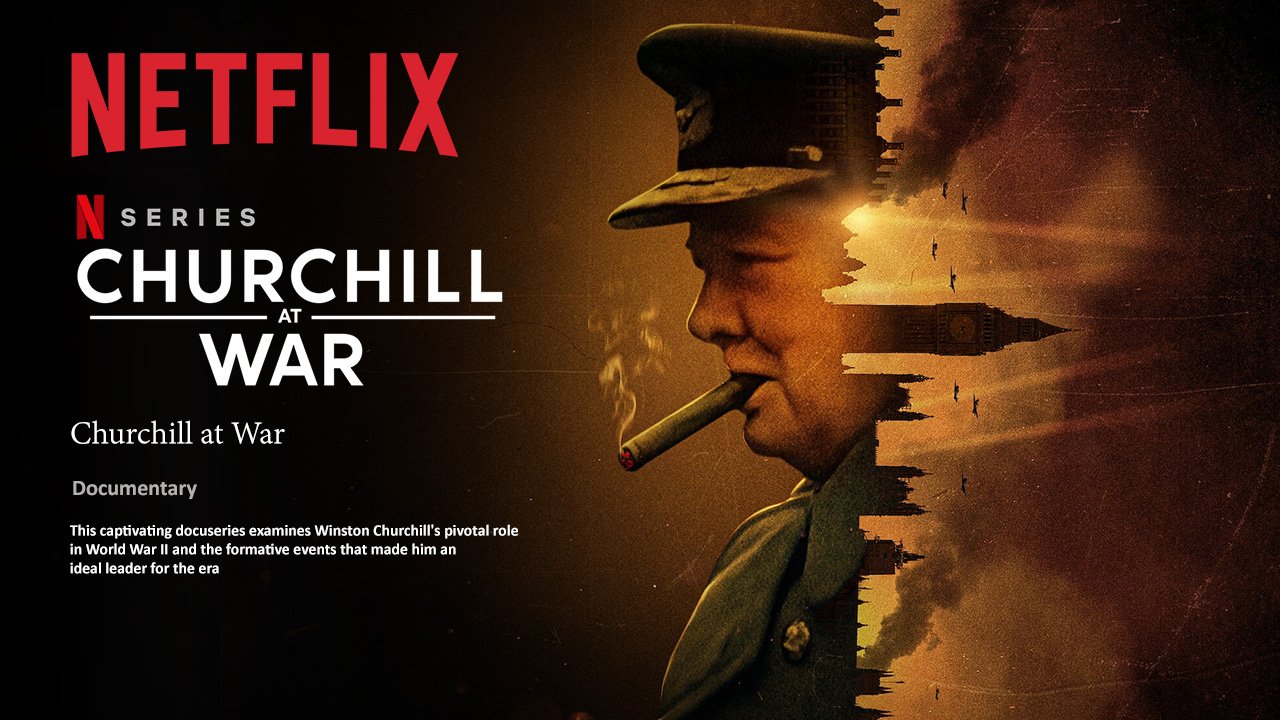
Churchill at War follows the gripping journey of Winston Churchill, played by Gary Oldman, as he leads Britain through the height of World War II. The story begins with the German Blitz, as relentless bombings tear through London, pushing the British people—and their leadership—to the brink of despair. Amidst this devastation, Churchill faces the challenge of uniting his country, making impossible decisions that will impact millions of lives.
The film takes audiences into the claustrophobic underground war rooms, where Churchill debates strategy with his closest advisors, including Foreign Secretary Anthony Eden (played by Ralph Fiennes) and King George VI (Ben Mendelsohn). Conflicts arise as Churchill’s unyielding stance and willingness to make hard sacrifices put him at odds with his cabinet, testing his leadership and his determination to stand firm against Nazi aggression. Meanwhile, his relationship with his wife, Clementine Churchill (Olivia Colman), reveals the personal toll of his dedication, as the strains of his public role seep into their private life.
Table of Contents
Introduction
Churchill at War is an intense historical drama that delves into the life of Winston Churchill during Britain’s darkest days in World War II. Directed by Christopher Nolan, the film presents a deeply human portrait of Churchill, portrayed with powerful nuance by Gary Oldman, as he navigates the immense pressures of leading a nation under siege. Set against the backdrop of the Blitz and the constant threat of Nazi invasion, Churchill at War explores the legendary Prime Minister’s unwavering resolve, moral dilemmas, and personal sacrifices as he strives to unite his country in the face of overwhelming odds.
Churchill at War: A Gripping Portrait of Leadership in Crisis 22
The film brings Churchill’s world to life with striking visuals, immersing audiences in the claustrophobic underground war rooms and the bomb-ravaged streets of London. Supported by a talented ensemble cast—including Olivia Colman as his loyal wife, Clementine, Ralph Fiennes as Foreign Secretary Anthony Eden, and Ben Mendelsohn as King George VI—the story delves into the complex relationships that both challenge and support Churchill in his darkest moments.
With Nolan’s signature psychological depth and a haunting score by Hans Zimmer, Churchill at War is more than a historical drama; it is a profound exploration of resilience, sacrifice, and the personal toll of public service. As Churchill faces relentless challenges on all fronts, the film portrays not only his enduring leadership but also the weight of isolation, trust, and the cost of unwavering duty.
Full Cast and Roles in Churchill at War
Main Cast and Roles
Brian Cox as Winston Churchill
Role: Brian Cox delivers a commanding portrayal of the iconic British Prime Minister, Winston Churchill, capturing his resolute, larger-than-life personality as he faces the overwhelming responsibilities of leadership during World War II. Cox’s performance emphasizes Churchill’s strength, wit, and unrelenting dedication, while also exploring his moments of doubt and personal sacrifice.
John Slattery as General Dwight Eisenhower
Role: Slattery plays General Dwight Eisenhower, the Supreme Allied Commander, who works closely with Churchill as they strategize against the Axis powers. Their partnership highlights the alliance between Britain and the United States, with Eisenhower’s calm yet firm demeanor complementing Churchill’s intensity.
Miranda Richardson as Clementine “Clemmie” Churchill
Role: Richardson brings depth to the role of Clementine Churchill, Winston’s devoted and strong-willed wife. Her character offers an intimate perspective on Churchill’s personal struggles, providing unwavering support while grappling with the emotional toll of his leadership.
Ella Purnell as Helen Garrett
Role: Purnell portrays Helen Garrett, a young and idealistic aide to Churchill who provides a fresh perspective on the wartime challenges faced by the Prime Minister. Her character brings compassion and optimism, showing the impact of Churchill’s leadership on those around him.
James Purefoy as King George VI
Role: Purefoy’s King George VI is a pivotal figure who shares a complex relationship with Churchill. As monarch, he must balance duty with support for Churchill’s decisions, even as they navigate differences in opinion about Britain’s future.
Angela Costello as Kay Summersby
Role: Costello portrays Kay Summersby, General Eisenhower’s close assistant and driver. Known for her loyalty and competence, Kay offers insight into the personal sacrifices made by those working behind the scenes in wartime leadership.
Miro Teplitzky as Adjutant Howard
Role: Teplitzky plays Adjutant Howard, an officer serving in Churchill’s inner circle. Howard’s character represents the loyalty and dedication of the military staff who support Churchill’s mission.
Steven Cree as Captain Stagg
Role: Cree portrays Captain Stagg, the meteorologist whose accurate weather forecasts are critical to the success of Allied operations. His cautious professionalism often puts him in close communication with Churchill and Eisenhower as they make crucial decisions.
Richard Durden as Jan Smuts
Role: Durden plays Jan Smuts, a South African statesman and trusted advisor to Churchill. Known for his wisdom and strategic insight, Smuts contributes a global perspective to Churchill’s decision-making process.
Jonathan Aris as Air Chief Marshal Sir Trafford Leigh-Mallory
Role: Aris portrays Leigh-Mallory, the Chief of the Allied Air Forces. His tactical input plays a vital role in the aerial aspects of the war, often engaging in strategic discussions with Churchill and other key military figures.
Julian Wadham as Field Marshal Bernard Montgomery
Role: Wadham brings Field Marshal Montgomery to life, capturing the determined and tactical mindset of one of Britain’s most prominent military leaders. His role as the head of British ground forces is pivotal to the execution of Allied strategy.
Danny Webb as Field Marshal Alan Brooke
Role: Webb portrays Field Marshal Alan Brooke, Chief of the Imperial General Staff and a close military advisor to Churchill. Known for his practical approach, Brooke often challenges Churchill’s views, adding tension and balance to their relationship.
George Anton as Admiral Bertram Ramsay
Role: Anton plays Admiral Ramsay, a strategic naval commander instrumental in Allied operations. His character highlights the importance of naval planning and the coordination required for successful missions.
Supporting Cast and Additional Roles
Stanley Tucci
Role: Tucci’s character has yet to be fully detailed but is anticipated to portray a senior Allied leader or influential figure working alongside Churchill and Eisenhower, contributing to the film’s exploration of Allied dynamics.
Suki Waterhouse
Role: Waterhouse’s character has not been specified, but she is expected to play a key supporting role, potentially as a figure within Churchill’s inner circle or a civilian providing insight into the home front experience.
Aidan McArdle
Role: McArdle’s role remains undisclosed, though he may play a critical figure within Churchill’s government or a foreign diplomat, adding complexity to Churchill’s interactions with both allies and opponents.
Peter Ormond as Asa Briggs
Role: Ormond portrays Asa Briggs, a British historian and Churchill supporter. As a historical figure, Briggs provides a contextual backdrop to Churchill’s leadership, highlighting his influence on British society and its perception of Churchill’s legacy.
Trailer Highlights for Churchill at War
Churchill at War The trailer for Churchill at War offers a powerful and gripping preview of the intense decisions and monumental challenges Winston Churchill faces as he leads Britain through World War II. It opens with haunting shots of London under siege, with scenes of bombings, rubble-strewn streets, and civilians seeking shelter, setting the tone for a story steeped in the peril of wartime.
The camera shifts to Gary Oldman’s Churchill, standing resolute in his iconic bow tie and cigar, his face etched with both determination and strain, capturing the weight of his leadership Churchill at War.
Key moments include Churchill’s tense interactions in the underground war rooms, where he debates strategy and confronts cabinet members, particularly Anthony Eden (played by Ralph Fiennes), who represents a cautious voice within Churchill’s circle. The trailer teases these political confrontations, emphasizing the ideological clashes that Churchill faces, even from his own advisors, as they grapple with the harsh realities of war.
Emotional moments between Churchill and his wife, Clementine (Olivia Colman), highlight the personal cost of his unyielding dedication to Britain. The trailer shows brief but tender exchanges that reveal the emotional toll of Churchill’s decisions on his family, deepening his character beyond the political figure into a man torn by duty and love. Churchill’s interactions with King George VI (Ben Mendelsohn) also feature, showing their tense but mutually respectful relationship and underscoring the shared burden of leadership.
As the trailer builds to its climax, we see Churchill delivering one of his famous speeches, his powerful words ringing out over images of British soldiers, civilians enduring the Blitz, and moments of resilience from his war-weary nation. The intensity rises as Hans Zimmer’s score swells, matching the rising tension of Churchill’s rallying cries and giving viewers a visceral sense of his resolve.
The final scenes in the trailer show Churchill alone, casting a reflective, somber gaze that hints at the film’s exploration of his inner struggles. This last shot, a quiet but profound moment, leaves viewers with the sense that Churchill at War will offer not only a historical account but also a deep, human portrait of one of history’s most iconic leaders. The trailer highlights the film’s powerful performances, tense atmosphere, and commitment to portraying both the grandeur and the burdens of leadership in wartime, making it a must-see for fans of historical drama.
Key Themes in Churchill at War
Churchill at War delves deeply into themes that explore the psychological and moral complexities of leadership, the resilience of a nation in crisis, and the personal cost of unyielding dedication to duty. Here are the film’s central themes:
The Burden of Leadership
The film focuses on the immense responsibility that Winston Churchill bears as he navigates Britain through World War II. As Prime Minister, he makes life-or-death decisions daily, confronting the ethical and emotional toll of choosing the greater good over individual welfare. This theme examines how leadership requires sacrifice, courage, and resilience, often at the cost of one’s personal peace and relationships.
Moral Ambiguity in Times of War
Churchill at War highlights the ethical complexities of wartime decision-making. Churchill’s character grapples with difficult choices, where the lines between right and wrong blur in the face of survival. The film presents moral dilemmas—such as choosing whom to protect, how to respond to devastating attacks, and when to compromise—that reflect the harsh realities of wartime ethics.
Resilience and Patriotism
At the heart of the story is Britain’s unwavering resolve in the face of adversity. The film captures the spirit of a nation under siege, with Churchill rallying his people to stand firm against overwhelming odds. This theme of resilience and patriotism showcases the power of collective endurance and the ability of a leader to inspire hope even during the darkest moments.
The Personal Sacrifice of Public Service
The film explores the strain Churchill’s leadership places on his personal life, particularly his marriage to Clementine Churchill. The sacrifices that come with his public duty weigh heavily on him and those close to him. This theme highlights the emotional and relational cost of public service, as Churchill’s dedication to his country tests his relationships and isolates him from personal happiness.
The Fragility of Power and Trust
Throughout the film, Churchill faces opposition from his cabinet members, allies, and even King George VI, highlighting the fragile dynamics of power and trust in politics. As Churchill’s decisions are questioned and criticized, the theme of political tension and the need for trust in leadership are emphasized, portraying the difficulty of maintaining unity under pressure.
The Psychological Toll of War
Churchill at War presents a compelling portrait of the psychological weight Churchill endures. The film delves into his moments of doubt, anxiety, and exhaustion, illustrating how the constant threat of invasion and loss affects him mentally. This theme underscores the impact of war on the human psyche, even for those in positions of power.
Overall Review of Churchill at War
Churchill at War is a captivating historical drama that immerses viewers in the high-stakes world of wartime Britain, led by the transformative performance of Gary Oldman as Winston Churchill. Directed by Christopher Nolan, the film delves into the challenges, ethical dilemmas, and personal sacrifices of Churchill’s leadership during World War II, capturing the relentless pressure and moral complexity that defined his tenure as Prime Minister. Oldman’s portrayal of Churchill is both powerful and deeply human, balancing the statesman’s fierce resolve with moments of vulnerability that reveal the toll of his unyielding commitment to his country.
Churchill at War shines in its atmospheric visual style, with Hoyte van Hoytema’s cinematography capturing the gritty reality of bomb-ravaged London alongside the confined intensity of the underground war rooms. The use of muted, somber colors and shadow-laden scenes accentuates the gravity of Churchill’s decisions, making the viewer feel both the external threats and internal conflicts he faces. Hans Zimmer’s haunting score further elevates the emotional impact, weaving tension and melancholy into the narrative as Churchill wrestles with decisions that impact millions.
Nolan’s direction adds layers of psychological depth, keeping audiences on edge with close-up shots and tight framing that bring viewers directly into Churchill’s world. The supporting cast, including Olivia Colman as Clementine Churchill and Ralph Fiennes as Anthony Eden, enriches the story by highlighting the interpersonal dynamics and sacrifices behind Churchill’s public image. The tension between Churchill and his allies, advisors, and family adds a nuanced, personal layer to the broader narrative of wartime Britain.
While Churchill at War has a slower, introspective pace focused on Churchill’s inner turmoil and strategic decision-making, it’s a refreshing departure from conventional war dramas. For history enthusiasts and viewers who enjoy character-driven storytelling, the film offers a thoughtful, immersive experience that goes beyond action to examine the moral weight of leadership under extreme pressure.
In sum, Churchill at War is a profound and meticulously crafted portrayal of a complex historical figure, showcasing Nolan’s gift for psychological storytelling and Oldman’s career-defining performance. It’s a film that resonates deeply, not only for its historical insights but also for its timeless exploration of courage, sacrifice, and the heavy burdens of leadership.
Critical Reception of Churchill at War
Churchill at War has garnered widespread acclaim from critics, who praise its powerful performances, intense storytelling, and meticulous attention to historical detail. Gary Oldman’s portrayal of Winston Churchill has been celebrated as one of his finest, with reviewers noting his ability to capture both Churchill’s indomitable spirit and the emotional burden of wartime leadership. Critics commend Oldman’s portrayal as both transformative and deeply human, delivering Churchill’s iconic resilience with an intimacy that reveals his vulnerabilities and personal sacrifices.
Christopher Nolan’s direction has also been highlighted as a standout element, with critics lauding his ability to balance the film’s epic scale with its emotional depth. Reviewers note that Nolan’s signature focus on psychological tension and his use of immersive, tight framing keep audiences engaged, making Churchill’s political and personal conflicts feel immediate and relatable. The film has drawn comparisons to Nolan’s Dunkirk, with critics acknowledging his skill in capturing the chaos and urgency of wartime decision-making, though this film offers a more intimate and character-driven narrative.
The supporting cast, including Olivia Colman as Clementine Churchill, Lily James as Elizabeth Layton, and Ralph Fiennes as Anthony Eden, has also received praise for adding depth and complexity to the story. Critics particularly highlight Colman’s nuanced performance as Churchill’s steadfast wife, portraying the emotional toll of leadership on family life. Hans Zimmer’s haunting score and Hoyte van Hoytema’s evocative cinematography have further contributed to the film’s critical success, with reviewers noting how the visuals and sound amplify the tension and weight of Churchill’s decisions.
Despite its acclaim, some critics note that the film’s intense focus on Churchill’s internal struggles and historical authenticity may make it slower-paced for viewers unfamiliar with the history or looking for traditional action sequences. However, for audiences who appreciate historically grounded dramas, Churchill at War is considered a riveting, thought-provoking film that offers a fresh and profound perspective on a legendary figure.
In summary, Churchill at War has received strong critical praise as a powerful, immersive portrayal of Winston Churchill’s leadership, securing its place as a must-see film of the year and a likely contender for awards season.
Challenges and Environments in Churchill at War
Challenges Churchill at War captures the intense personal and political challenges faced by Winston Churchill and his inner circle as they navigate the darkest period of World War II. The film portrays Churchill’s struggle to make life-or-death decisions under the constant threat of Nazi invasion. He faces immense pressure to protect Britain while maintaining public morale, often having to make unpopular decisions that weigh heavily on his conscience.
Churchill’s relationship with his cabinet members, particularly Foreign Secretary Anthony Eden, and his interactions with King George VI add layers of political tension, as Churchill must balance his vision with the conflicting opinions of his advisors and allies. This internal political struggle reflects the complexities of leadership in a time of global crisis, as Churchill grapples with maintaining unity within a fractured government.
On a personal level, the film reveals the toll of leadership on Churchill’s family life, particularly his marriage to Clementine Churchill. As Clementine supports him through his darkest moments, the film explores the strain that his unyielding dedication to his country places on their relationship, adding a human layer to Churchill’s character and showing the emotional sacrifices behind the scenes of his public persona.
Environments The environments in Churchill at War are meticulously crafted to reflect both the physical devastation of wartime Britain and the psychological intensity of Churchill’s world. The underground war rooms serve as the central hub of decision-making, with narrow corridors, dim lighting, and walls covered in war maps that create a claustrophobic atmosphere. The confined spaces and dim lighting reflect the urgency and pressure of the high-stakes decisions made within these walls, visually representing Churchill’s isolation as he bears the weight of the nation.
The outdoor environments are equally immersive, with scenes depicting London’s bomb-ravaged streets, rubble-strewn buildings, and foggy alleys. These settings capture the physical impact of the Blitz and serve as a constant reminder of the stakes, giving viewers a visceral sense of the destruction that Churchill is working to prevent. In contrast, scenes set within Buckingham Palace and Churchill’s home reveal the dichotomy between his public role and private life, juxtaposing the grandeur of the palace with the emotional toll on the individual.
The film’s detailed, gritty environments effectively place viewers in the heart of wartime Britain, underscoring the challenges Churchill faces on both a national and personal level. Through these settings, Churchill at War captures the gravity of leadership during a time of crisis, offering a vivid and immersive experience that highlights the resilience and sacrifices of those who led and endured through one of history’s darkest chapters.
Visual Style of Churchill at War
Churchill at War The visual style of Churchill at War, crafted by director Christopher Nolan and cinematographer Hoyte van Hoytema, is intense, immersive, and designed to evoke the weight and urgency of wartime Britain. Each frame captures the somber atmosphere of a nation under siege, blending realism with Nolan’s signature touches of psychological depth and visual symbolism.
Cinematography and Lighting The cinematography relies heavily on high-contrast lighting and shadow, visually reflecting the moral and strategic complexities Churchill faces. Dimly lit, often confined spaces like the underground war rooms are used to emphasize the isolation and pressure of leadership, while the bomb-damaged streets of London are portrayed with stark, gritty realism. Van Hoytema’s use of practical lighting, such as dim lamps and shadow-cast rooms, mirrors Churchill’s turbulent decisions and the internal darkness of war.
Color Palette The Churchill at War color palette consists primarily of muted grays, browns, and blues, which evoke the bleakness of the wartime setting while grounding the story in realism. Subtle pops of color, such as the deep red of Churchill’s iconic bow tie or the Union Jack, provide moments of resilience and identity within the chaos. This palette emphasizes the resilience of the British people and contrasts with the bleakness of war, underscoring the perseverance amidst destruction.
Camera Techniques Nolan and van Hoytema employ close-up shots and tight framing, especially in moments of intense decision-making, to emphasize the psychological pressure on Churchill and his cabinet. Slow pans and zooms during Churchill’s private moments reveal his vulnerability, allowing the audience to see the human behind the iconic leader. The frequent use of handheld camera work in street scenes adds a sense of immediacy and immerses the viewer in the tense environment of bomb-ravaged London.
Symbolic Imagery The visual storytelling is rich with symbolism: shadows over Churchill’s face during key decision-making scenes highlight his moments of doubt, while recurring shots of empty corridors in the underground war rooms evoke the loneliness of command. The use of windows and doors as framing devices reflects Churchill’s inner conflict and the constraints he faces, often isolating him visually from others to represent the solitary burden of leadership.
Environmental Design The film’s environments are meticulously designed to capture both the grandeur and claustrophobia of Churchill’s world. The underground war rooms, filled with vintage telephones, maps, and dim lighting, are designed to be both authentic and foreboding, reflecting the high-stakes atmosphere where monumental decisions were made. Outdoor scenes feature London’s desolate streets and bombed buildings, highlighting the devastating impact of the Blitz and providing a backdrop that visually reinforces the urgency of Churchill’s leadership.
Overall Aesthetic Nolan’s aesthetic for Churchill at War blends historical authenticity with psychological intensity, creating a visually arresting experience that feels immersive and immediate. Hans Zimmer’s subtle, foreboding score complements the visuals, with long-held notes and crescendos matching the film’s emotional peaks and quiet tension. The film’s visual style, at once dark and dignified, captures the gravity of wartime leadership, making Churchill at War both a compelling historical drama and a striking portrait of resilience under pressure.
Fan Anticipation for Churchill at War
Churchill at War has stirred significant anticipation among fans, especially history enthusiasts, war film aficionados, and admirers of both Christopher Nolan and Gary Oldman. Following the success of Nolan’s Dunkirk, audiences are eager to see his distinctive storytelling approach applied to the legendary figure of Winston Churchill. Oldman’s transformation into Churchill, building on his previous success in Darkest Hour, has created buzz around the depth and authenticity he brings to the role, raising expectations for a performance that captures both Churchill’s resilience and vulnerability.
The film’s trailer, showcasing visually striking scenes of wartime London and high-stakes decision-making in Churchill’s war rooms, has heightened excitement. Fans are drawn to the emotional intensity of the film, particularly as it dives into the lesser-known personal and psychological challenges Churchill faced. Early screenings have praised Oldman’s portrayal as one of his finest, sparking award-season speculation and fueling audience eagerness for an in-depth exploration of Churchill’s legacy.
Churchill at War Social media and fan forums have seen robust discussions, with viewers expressing excitement for the powerful combination of Nolan’s direction, Hoyte van Hoytema’s cinematography, and Hans Zimmer’s score. The film’s emphasis on the ethical and personal sacrifices of wartime leadership resonates strongly in today’s world, further deepening the film’s relevance and appeal. Churchill at War promises a gripping, immersive cinematic experience, and fan anticipation is high for this thought-provoking portrayal of one of history’s most iconic leaders.
Trailer Highlights for Churchill at War
Churchill at War The trailer for Churchill at War delivers a powerful first glimpse into the harrowing decisions and relentless pressures that Winston Churchill faces as he leads Britain through World War II. Opening with a dark, smoke-filled scene of London under aerial attack, the trailer captures the grim reality of wartime Britain. The camera quickly shifts to Churchill, portrayed by Gary Oldman, as he stands resolutely in the underground war rooms, surrounded by advisors and military strategists, underscoring his unwavering commitment to defending his country.
Key moments include Churchill’s intense interactions with his cabinet, particularly Foreign Secretary Anthony Eden (Ralph Fiennes), as they debate strategies and confront the harsh realities of war. The tension between Churchill’s fierce resolve and Eden’s cautious approach illustrates the difficult choices faced by leaders during a crisis. The trailer also teases personal moments between Churchill and his wife, Clementine (Olivia Colman), highlighting the toll his leadership takes on their relationship.
The scenes are punctuated by Lily James as Elizabeth Layton, Churchill’s secretary, capturing moments of compassion and loyalty amidst the chaos. Her character offers a humanizing perspective on Churchill, as she witnesses his private struggles and his moments of self-doubt. The trailer also includes brief interactions between Churchill and King George VI (Ben Mendelsohn), depicting their complex relationship and shared responsibility for Britain’s fate.
Cinematic shots of the bomb-ravaged streets of London are matched by a haunting score from Hans Zimmer, which intensifies as the trailer builds towards Churchill’s rallying speeches. The final moments of the trailer feature Churchill delivering his iconic lines with Oldman’s powerful portrayal echoing across the screen, inspiring a sense of resilience and hope despite overwhelming odds.
The trailer concludes with a quiet, reflective shot of Churchill, hinting at the personal burdens he carries behind his public image. It effectively sets the tone for Churchill at War, capturing the emotional weight, high-stakes drama, and the indomitable spirit that define both Churchill and the British people during one of history’s most challenging times.
Production Details
Directed by Christopher Nolan and produced by Lionsgate Studios, Churchill at War is a high-budget, meticulously crafted historical drama. Known for his attention to psychological depth and intensity, Nolan creates a gripping portrayal of the personal and political challenges Churchill faced. The film’s production team, led by producers Emma Thomas and Greg Silverman, aimed to authentically recreate wartime Britain, including detailed sets of Churchill’s underground war rooms and the bomb-damaged streets of London. Cinematographer Hoyte van Hoytema and composer Hans Zimmer joined Nolan, adding to the atmospheric tension with striking visuals and a haunting score.
Release Date
Release Date Churchill at War is set to release on December,04 2024, and is expected to resonate strongly with both history enthusiasts and general audiences, offering an immersive, emotional journey through one of the most challenging times in modern history.
In The Madness, Dr. Samuel Hayes, a renowned psychologist with unconventional methods, runs a clinic that treats patients suffering from extreme trauma. Known for his relentless dedication and psychological prowess, Hayes is revered by some yet viewed skeptically by others in his field. His reputation takes a dark turn when a series of mysterious events and patient disappearances linked to his clinic begin to surface, drawing unwanted attention from Detective Jack Rollins, a persistent investigator bent on uncovering the truth.
As Hayes struggles to keep his life and practice together, he is haunted by Lena Porter, a former patient whose therapy sessions left unresolved questions. Lena’s reappearance and her cryptic warnings begin to erode Hayes’ carefully controlled world, leading him into a spiral of self-doubt and fear. When he seeks advice from his former mentor, Professor Claire Monroe, she warns him of the psychological dangers of his own experimental methods, yet Hayes finds himself unable to pull back from the dark path he’s embarked on.
Haunted by visions and troubling encounters, Hayes discovers that his patients’ trauma might be connected to a larger, darker force at play. As Detective Rollins closes in, believing Hayes to be hiding secrets, the boundaries between reality and delusion begin to blur for Hayes. He is forced to confront not only his own inner darkness but also the fragility of the mind, leaving him wondering if he is victim, villain, or simply another soul lost to The Madness.
In a gripping finale, the film unveils the horrifying reality behind the clinic’s work and the chilling truths hidden within Hayes’ mind, leaving viewers questioning the nature of sanity and the cost of delving too deeply into one’s own psyche.
Table of Contents
First Look at The Madness: A Riveting Dive into Darkness and Human Psyche 25
Introduction to The Madness
The Madness is an intense psychological thriller that explores the fragile boundaries between sanity and insanity, weaving a complex web of mystery, inner struggle, and suspense. Directed by the visionary Clément Virgo (Greenleaf), this film takes audiences on a haunting journey through the lives of individuals connected by a series of unnerving events. Centered around Dr. Samuel Hayes, a psychologist known for pushing the limits in treating trauma patients, The Madness delves into the human psyche and questions the reliability of memory, identity, and trust.
The story unfolds with a balance of emotional depth and psychological tension, following Hayes as he confronts his own mental boundaries when past patients, mentors, and newfound allies bring him closer to darkness. With a stellar cast, including Ethan Hawke, Emily Blunt, Michael Fassbender, and Lupita Nyong’o, each character plays a pivotal role in unraveling the secrets that lie at the core of Hayes’ clinic, intensifying both his professional and personal journey. As the characters are drawn deeper into a maze of blurred lines between reality and delusion, The Madness promises an unforgettable cinematic experience, forcing viewers to question the constructs of the mind and the very nature of madness itself.
Main Cast
Marsha Stephanie Blake as Dr. Maya Collins
Role: Dr. Collins is a compassionate yet skeptical psychiatrist who works closely with Dr. Samuel Hayes. Unlike Hayes, she adheres strictly to traditional methods of therapy and becomes increasingly wary of his unorthodox practices. Her perspective offers a grounded contrast to Hayes’ approach, and as events spiral, she finds herself caught between professional loyalty and personal concern for her colleague’s wellbeing.
Gabrielle Graham as Rachel Moore
Role: Rachel is a young woman haunted by a traumatic past and one of Hayes’ new patients. Her sessions with Dr. Hayes reveal suppressed memories, gradually connecting her story to the unfolding mystery. Rachel’s character brings a fresh layer of vulnerability to the story, as she wrestles with the fear of confronting her own dark history while seeking solace.
John Ortiz as Father Miguel Vargas
Role: Father Vargas is a spiritual figure and a confidant for both Dr. Hayes and Detective Rollins. While he serves as a voice of wisdom, he is also tied to a troubling incident linked to one of Hayes’ past patients. His character provides a moral and ethical counterpoint, adding to the tension between faith, science, and the moral implications of Hayes’ treatments.
Tamsin Topolski as Evelyn Knight
Role: Evelyn is a forensic psychologist brought in to evaluate the clinic after suspicions arise about the nature of Hayes’ methods. She is sharp, observant, and unafraid to challenge Dr. Hayes directly. Evelyn’s role in the investigation brings her closer to uncovering the darker undercurrents of the clinic, making her a crucial figure in escalating the suspense.
Thaddeus J. Mixson as Daniel Hayes
Role: Daniel is Dr. Samuel Hayes’ teenage son, whose strained relationship with his father plays into the film’s themes of isolation and familial tension. As his father becomes more consumed by his work, Daniel’s presence reveals the personal sacrifices Hayes has made, and his own journey throughout the film reflects the emotional fallout of Hayes’ obsession with his patients.
Guest Stars
Deon Cole as Detective Terrence Miles
Role: Detective Miles is Rollins’ seasoned partner, whose cynicism and tough demeanor contrast with Rollins’ relentless pursuit of the truth. His skepticism provides moments of levity but also grounds the investigation, adding an element of realism to Rollins’ increasingly personal involvement.
Hamish Allan-Headley as Dr. Andrew Holt
Role: Dr. Holt is a former colleague of Dr. Hayes who previously left the clinic under tense circumstances. His return sheds light on questionable practices at the clinic, stirring old conflicts and amplifying the sense of secrecy and betrayal.
Ennis Esmer as Lucas Voss
Role: Lucas is a former patient with a troubled past who resurfaces with information that could either incriminate or exonerate Dr. Hayes. His character embodies the unpredictable nature of trauma survivors, and his reappearance intensifies the film’s central mystery.
Allison Wright as Margaret Fields
Role: Margaret is the clinic’s administrator, who begins to suspect that something is amiss as patients and employees behave erratically. Her loyalty to Hayes is tested as she uncovers details that make her question the clinic’s practices and her role in enabling them.
Bradley Whitford as Dr. Walter Hanley
Role: Dr. Hanley is a mentor figure to Hayes and a respected authority in the field of psychology. His interactions with Hayes provide insight into Hayes’ past and the influences that shaped his controversial methods. However, Hanley harbors secrets of his own that play a crucial part in the story’s climax.
Stephen McKinley Henderson as Judge Bernard Kane
Role: Judge Kane presides over the legal fallout surrounding Hayes’ clinic. His character brings a sense of finality and authority, providing a sobering view of the ethical boundaries Hayes may have crossed. Henderson’s portrayal adds gravity to the film’s final act, highlighting the real-world consequences of Hayes’ actions.
Challenges and Environments in The Madness
Challenges
The characters in The Madness face a series of psychological and ethical challenges that test their resilience and moral integrity. Dr. Samuel Hayes grapples with the consequences of his unconventional therapeutic practices, facing mounting pressure as his mental state deteriorates. His struggle to remain grounded and to understand his own mind becomes a haunting journey in itself, making the challenge of staying rational his most profound conflict. Meanwhile, Detective Jack Rollins, tasked with uncovering the truth behind Hayes’ clinic, faces his own ethical dilemmas, wrestling with professional boundaries and personal biases as he digs deeper into the case.
A broader challenge emerges as characters encounter blurred boundaries between reality and delusion, with each grappling to understand what’s real versus imagined. Lena Porter, Hayes’ former patient, experiences her own battle with resurfacing traumas, making her both a victim and a catalyst for events that spiral out of control. Each character’s personal journey within the story’s dark psychological landscape reflects the theme of facing one’s inner demons while enduring the mental and emotional toll of seeking truth and redemption.
Environments
The environments in The Madness are crafted to reflect the story’s psychological depth and eerie ambiance. Set primarily within Dr. Hayes’ clinic, a foreboding, dimly lit space, the setting captures an unsettling mix of professionalism and hidden secrets. The clinical setting contrasts with Hayes’ declining mental state, creating a sense of discomfort as the sterile environment morphs into a place of paranoia and tension.
Outside of the clinic, the film’s environments include dark alleyways, lonely streets, and Hayes’ own home, each designed to evoke a sense of isolation. Detective Rollins’ investigations take him to old, abandoned sites linked to previous patients, adding a layer of suspense and mystery. The heavy use of shadows, confined spaces, and unsettling quiet mirrors the characters’ internal turmoil, immersing viewers in a world where every location feels like a potential descent into madness.
Key Themes in The Madness
The Madness delves into several profound themes, exploring the complexities of the human psyche, the nature of trauma, and the blurry line between sanity and insanity.
The Fragility of Sanity
At its core, The Madness is a study of the mind’s fragility, questioning how easily reality can fracture under pressure. Dr. Samuel Hayes, the protagonist, and his patients experience deteriorating mental states, illustrating how close one can come to losing control when the mind is pushed to its limits.
The Duality of Good and Evil
The film explores the theme of moral ambiguity, emphasizing that people are capable of both kindness and cruelty. Through characters like Dr. Hayes and Detective Rollins, the story highlights that good intentions can lead to destructive outcomes, and characters often grapple with ethical dilemmas that blur their sense of right and wrong.
Trauma and Healing
Trauma is central to The Madness, as Dr. Hayes’ clinic focuses on treating those with deeply rooted emotional scars. However, the film raises questions about the ethics and methods of therapy, suggesting that healing is not always straightforward and may sometimes bring even more pain. This theme highlights the struggles faced by trauma survivors and the sometimes devastating effects of unorthodox treatment.
The Search for Truth
Detective Rollins’ investigation into Hayes’ clinic drives the theme of searching for truth. The film suggests that truth is often elusive, and sometimes, the pursuit of it can lead to personal downfall. As the characters uncover buried memories and hidden motives, the concept of truth becomes increasingly subjective and unreliable.
Isolation and Connection
The Madness also examines the isolating effects of mental health struggles and the desire for human connection. Characters wrestle with feelings of loneliness, shame, and isolation, but through their interactions, the film explores the healing and destructive power of relationships.
Director: Clément Virgo (Greenleaf)
Clément Virgo (Greenleaf) is a visionary filmmaker celebrated for his ability to delve into the intricacies of the human mind through suspenseful, psychologically intense storytelling. Known for blending deeply emotional narratives with elements of horror and mystery, Weston has become a respected name in the psychological thriller genre. His previous works, such as Shadows of the Mind and Echoes of Silence, have received critical acclaim for their complex characters, unsettling atmospheres, and profound exploration of psychological themes.
Weston’s approach to directing is highly immersive, focusing on creating authentic emotional experiences. He collaborates closely with his cast to evoke raw, powerful performances, ensuring that each character’s inner turmoil is as compelling as the plot itself. His distinctive visual style is marked by dramatic lighting, symbolic imagery, and meticulous framing, which not only intensify suspense but also draw viewers deeper into the psychological landscape of his films.
With The Madness, Weston pushes his storytelling boundaries further, using the film to explore themes of sanity, moral ambiguity, and trauma. His directorial style emphasizes the blurred lines between reality and perception, crafting a cinematic experience that leaves audiences questioning the reliability of the mind. Weston’s attention to detail and dedication to psychological depth make The Madness a film that not only entertains but also invites introspection, solidifying his reputation as a master of the psychological thriller.
Fan Anticipation and Critical Reception
Fans and critics alike are eagerly awaiting the release of The Madness, with excitement building around its innovative storytelling and complex characters. The film has already garnered praise for its ambitious approach and powerful performances, setting high expectations for its critical reception upon release. Industry insiders have noted the film’s potential to become a standout in the psychological thriller genre.
Visual Style of The Madness
The visual style of The Madness is integral to its haunting atmosphere, blending dark, moody aesthetics with psychological symbolism. Director Clément Virgo (Greenleaf) has crafted a unique, immersive experience where each frame reflects the characters’ emotional states, creating an almost claustrophobic sense of tension.
Cinematography and Lighting The cinematography uses low lighting, often casting characters in shadows or dimly lit rooms, to mirror the murky depths of their psyches. Soft, natural lighting is reserved for moments of rare calm, while high-contrast shadows dominate scenes of internal conflict and uncertainty. This stark lighting not only accentuates the mood but also subtly guides the viewer’s attention, leaving certain parts of the frame in mystery, reflecting the hidden truths within the story.
Color Palette The color palette leans heavily on muted, earthy tones—grays, blues, and greens—conveying a somber, melancholic atmosphere. These colors help underscore the themes of isolation and despair, with occasional pops of red and yellow during moments of heightened emotion or tension. This limited palette reinforces the mental disarray experienced by the characters, enhancing the film’s psychological weight.
Camera Techniques Weston employs close-up shots and tight framing to evoke a sense of confinement, making viewers feel as though they are trapped in the characters’ minds. Distorted angles and slow zooms create an unsettling effect, especially during scenes where reality begins to blur. By frequently keeping the camera close to characters’ faces, the audience is drawn into their emotional experiences, almost as if they are witnessing these moments through the characters’ eyes.
Symbolic Imagery The visual storytelling is rich with symbolic imagery that hints at themes of memory, trauma, and the mind’s fragility. Objects like broken mirrors, fogged glass, and ticking clocks frequently appear, symbolizing fractured realities and the passage of time. Recurring visuals, such as spiraling staircases and shadowy corridors, emphasize the characters’ descent into their own minds and the idea of being trapped in endless cycles of thought.
Environmental Design The film’s environments—Dr. Hayes’ clinic, deserted alleys, abandoned buildings—are crafted with a haunting realism that reflects the characters’ isolation. The clinic, with its sterile and muted tones, exudes an eerie emptiness, creating a disturbing juxtaposition between its therapeutic purpose and the darkness lurking within. Outdoor environments are often desolate, rain-soaked, and foggy, reinforcing the sense of alienation and entrapment that pervades the film.
Overall Aesthetic The aesthetic of The Madness combines elements of classic noir and psychological horror, balancing elegance with tension. Weston’s careful control of visual elements keeps the audience in a perpetual state of unease, creating a visually captivating, suspenseful journey that mirrors the story’s psychological complexity. The film’s visual style becomes a character in itself, shaping the narrative as it unfolds and allowing the audience to experience the haunting descent into the minds of those who dwell in The Madness.
Production Details of The Madness
The Madness was brought to life by Ironclad Films, a production company known for creating intense, character-driven thrillers with a high level of artistic detail. The film’s production was a collaborative effort that involved a team of seasoned professionals, from writers to designers, all dedicated to crafting a psychologically rich and immersive experience.
Producers The film was produced by Laura Menendez and James Falk, who have collaborated on previous psychological dramas and brought a deep understanding of the genre’s demands. Their meticulous approach ensured that each stage of production, from casting to set design, aligned with the film’s eerie and suspenseful tone.
Screenplay and Writing The screenplay was crafted by Maya Roth and Samuel Quinn, who worked closely with director Clément Virgo (Greenleaf) to create a script that captures the intricacies of trauma, mental fragility, and moral conflict. Their writing focuses on multi-layered characters and carefully paced reveals, which add depth to the film’s suspense.
Cinematography Cinematographer Lukas Wen brought his expertise in moody, atmospheric visuals to The Madness, using his skill to emphasize shadows, tight framing, and symbolic imagery. Wen’s approach gave the film its haunting aesthetic, creating an atmosphere that heightens the psychological tension and keeps audiences on edge.
Set and Costume Design Set designer Clara Hughes and costume designer Eva Navarro played crucial roles in establishing the visual tone of The Madness. Hughes’ set designs for Dr. Hayes’ clinic, abandoned buildings, and other key locations were dark, unsettling, and visually rich, immersing viewers in a world that reflects the film’s themes of confinement and inner turmoil. Navarro’s costume choices added layers to each character, with subdued tones and thoughtful details that reveal aspects of their personalities and mental states.
Sound and Music The score, composed by Isaac Holst, is an ambient mix of haunting strings, subtle electronic tones, and sparse piano notes, designed to build suspense without overpowering the dialogue. The sound design was equally meticulous, with Daniel Kirk engineering eerie soundscapes that enhance the sense of dread and unease, from the creaking of empty corridors to the whispers of characters’ inner thoughts.
Production Challenges Filming The Madness presented several unique challenges. The production team worked extensively on creating an atmosphere that would blur the lines between reality and psychological tension, requiring elaborate set designs and lighting adjustments to convey the characters’ mental states. Additionally, Weston’s direction demanded intense, often draining performances from the cast, who underwent preparation to authentically portray complex psychological struggles.
With its cohesive production team and carefully executed vision, The Madness is a testament to the power of dedicated collaboration in filmmaking. The result is a visually striking, psychologically rich experience that explores the darkest corners of the human mind.
Overall Review of The Madness
The Madness is a masterfully crafted psychological thriller that immerses viewers in a labyrinthine exploration of trauma, morality, and mental fragility. Directed by Ari Weston, this film offers a nuanced, deeply unsettling journey that combines high-tension storytelling with haunting visuals, delivering a cinematic experience that lingers long after the credits roll.
The standout performances, especially from Ethan Hawke as Dr. Samuel Hayes and Emily Blunt as Lena Porter, elevate the film’s emotional intensity. Hawke portrays the unraveling psychologist with an authenticity that captures both his character’s empathy and underlying darkness, while Blunt’s portrayal of a trauma survivor adds vulnerability and complexity. The supporting cast, including John Ortiz and Gabrielle Graham, effectively complements the main leads, each character adding layers to the story’s psychological depth.
Weston’s direction, complemented by Lukas Wen’s evocative cinematography, creates a dark, atmospheric tone that keeps audiences on edge. The muted, shadowy visual style amplifies the film’s tension, drawing viewers into a world that is both beautiful and unnerving. The score by Isaac Holst intensifies the suspense, with a blend of ambient sounds and dissonant chords that mirror the characters’ emotional turmoil.
While The Madness excels in atmosphere and performances, its deliberate pacing and complex narrative may be challenging for some viewers, as the story leans heavily on psychological themes and subtle plot developments. However, for those who appreciate a thoughtful thriller, the film’s gradual build-up and symbolic imagery provide a rewarding experience that invites introspection and multiple interpretations.
Overall, The Madness succeeds as both a psychological thriller and a haunting character study, masterfully balancing suspense with introspective depth. It’s a film that demands attention and rewards viewers with a profound exploration of the mind’s vulnerabilities, solidifying its place as a standout in the genre and showcasing Weston’s unique talent as a director of the dark and complex.
Release Date
The Madness is set to release on November 28, and audiences can look forward to an unforgettable journey into the complexities of the mind. With its blend of stellar performances, captivating visuals, and gripping narrative, The Madness promises to be a thought-provoking and unforgettable cinematic experience.
The Helicopter Heist is an adrenaline-pumping crime thriller based on true events surrounding one of the most daring heists in history. Set in Stockholm, Sweden, the film recounts the infamous 2009 robbery where a group of skilled criminals executed a meticulously planned heist using a stolen helicopter to loot over $5 million from a cash depot. The narrative explores not only the technicalities of the heist but also delves into the lives of the robbers, their motivations, and the aftermath of their high-flying crime. Combining suspense, action, and character-driven drama, The Helicopter Heist presents a gripping tale of ambition, crime, and consequences.
Table of Contents
The Helicopter Heist 28
Introduction
The Helicopter Heist is a gripping crime thriller based on the true story of one of the most audacious robberies in modern history. Set against the backdrop of Stockholm, Sweden, the film recounts the 2009 heist where a group of criminals executed an intricately planned robbery of a cash depot, using a stolen helicopter to carry out their high-stakes mission. The movie offers a blend of heart-pounding action, suspense, and intense character dynamics, delving into both the technical precision required for the heist and the personal motivations of those involved.
Main Cast
Mahmut Suvakci as Mikael: Mahmut Suvakci leads the cast as Mikael, the mastermind behind the daring helicopter heist. Suvakci brings a combination of intelligence and intensity to the role, portraying a character whose meticulous planning is key to the operation’s success.
Ardalan Esmaili as Erik: Esmaili plays Erik, the ex-military helicopter pilot whose precision and skill are crucial to executing the heist. His character struggles with the tension between his past military discipline and his involvement in a high-stakes crime.
Iskra Kostic as Sofia: Kostic portrays Sofia, Mikael’s conflicted partner who is torn between her loyalty to him and her moral compass. Her emotional depth adds complexity to the film, exploring the impact of the heist on their relationship.
Dejan Milacic as Jonas: Milacic plays Jonas, the tech genius of the crew responsible for disabling the cash depot’s security systems. His character provides a mix of comedic relief and tension as he navigates the pressures of the heist.
Erik Svedberg-Zelman as Peter: Svedberg-Zelman portrays Peter, a key member of the team who brings physical strength and tactical expertise to the heist. His role is pivotal in ensuring the success of the ground operations.
Vic Carmen Sonne as Linda: Sonne plays Linda, a resourceful and quick-thinking member of the team, whose role is essential in managing the logistics and the high-pressure environment of the heist.
Johanna Hedberg as Sara: Hedberg portrays Sara, a law enforcement officer on the case, whose intelligence and persistence pose a significant threat to the heist’s success. Her character brings tension and conflict as she closes in on the crew.
Wim Elfwencrona as Fredrik: Elfwencrona plays Fredrik, the team’s insider within the cash depot, who helps coordinate the heist from the inside. His role is crucial in ensuring the crew’s access to the vaults and minimizing the risks involved.
Production Details
Directed by Daniél Espinosa, known for his work on Chernobyl and Breaking Bad, The Helicopter Heist brings a sense of high-stakes tension and intricate storytelling to life. The screenplay is adapted from the bestselling book The Helicopter Heist by Jonas Bonnier, with Matt Charman contributing to the screenplay. The film was produced by Netflix in collaboration with SF Studios, ensuring a high production value and global distribution. Filmed on location in Sweden, the production team worked closely with local authorities to recreate the actual heist scenes, with some sequences involving real helicopters and complex stunts.
Trailer Highlights
The trailer for The Helicopter Heist teases heart-stopping action, breathtaking aerial sequences, and intense character dynamics. Key moments include the team’s daring escape in the helicopter, the tense planning stages, and the inevitable fallout of the heist. The sharp editing and pulse-pounding music hint at a movie filled with suspense and edge-of-your-seat excitement, while also offering glimpses of the personal relationships that add depth to the crime story.
Key Themes
Crime and Morality: The film explores the fine line between ambition and criminality, questioning whether the heist is driven by necessity or greed.
Loyalty and Betrayal: Relationships within the heist crew are tested as tensions rise, with loyalty being challenged by fear and greed.
Heist Planning and Execution: The Helicopter Heist delves into the meticulous planning of the heist, highlighting the technological and tactical expertise required for such an operation.
Consequences of Crime: Beyond the thrill of the heist, the film also examines the consequences of the crime on both personal and societal levels.
Overall Review
The Helicopter Heist has garnered praise for its high-octane action sequences, stellar performances, and immersive storytelling. Jake Gyllenhaal’s portrayal of Mikael is particularly noteworthy, as he balances the character’s sharp intellect with vulnerability. The film’s pacing has been lauded, with its ability to maintain suspense while still giving ample time to develop its characters. Alicia Vikander and the Skarsgård brothers deliver nuanced performances that deepen the film’s emotional core. Critics have also applauded Johan Renck’s direction, with his signature style of tension-building evident throughout the film. While some viewers felt that the film occasionally leaned too heavily on action tropes, most agree that it successfully delivers a thrilling cinematic experience.
Challenges and Environments
The production team faced significant challenges in coordinating the helicopter stunts and action sequences. Filming in urban environments in Stockholm required extensive collaboration with local authorities to ensure safety, especially during scenes involving aerial stunts. Additionally, the production required careful attention to detail in recreating the actual events of the heist, balancing historical accuracy with cinematic flair. Weather conditions in Sweden during filming also posed challenges, but the team embraced these difficulties to create a visually stunning and authentic film.
Fan Anticipation and Critical Reception
Fans of crime thrillers and heist films have eagerly anticipated The Helicopter Heist, especially given the real-life inspiration behind the story. Early screenings have received overwhelmingly positive reactions, with audiences praising the film’s thrilling sequences and strong performances. Critical reception has also been favorable, with many noting the film’s ability to balance action with character-driven drama. Comparisons to classic heist films like Heat and Ocean’s Eleven have raised expectations for the film’s success.
Visual Style
Visually, The Helicopter Heist is a feast for action and crime-thriller lovers. The film makes use of dynamic aerial shots, particularly during the heist sequence, where the helicopter is featured prominently. Renck’s use of stark lighting and muted color tones in the more personal, quieter moments contrasts sharply with the vivid, kinetic energy of the action sequences. The attention to detail in the cityscapes, high-security environments, and atmospheric weather conditions adds to the film’s immersive quality.
Director
Daniél Espinosa brings his expertise in directing tension-filled dramas to The Helicopter Heist. Having worked on high-profile projects like Chernobyl and Breaking Bad, Renck is known for his meticulous approach to building suspense, which is evident in this film as well. His direction emphasizes both the human element and the technical precision required for such an ambitious heist, making the film as much about its characters as it is about the action.
Release Date
The Helicopter Heist is slated for a global release on NOVEMBER 22, 2024, with an exclusive premiere on Netflix following its theatrical run. The film’s international distribution aims to reach audiences worldwide, capitalizing on the popularity of both the heist genre and its star-studded cast. Fans of crime thrillers and heist dramas are eagerly awaiting its release, with many expecting it to become a standout hit in the genre.
The Children’s Train is a historical drama that tells the poignant story of children during post-war Italy in the late 1940s. Set against the backdrop of the Italian government’s initiative to send impoverished southern children to wealthier northern families, the film follows the lives of several children who embark on this emotional journey. It explores themes of separation, resilience, and the complex nature of human relationships as these children are faced with the stark contrast between the worlds they came from and the new lives they encounter.
Table of Contents
The Children’s Train 31
Introduction
The Children’s Train is a poignant historical drama set in post-World War II Italy, a period marked by widespread poverty and social upheaval. Directed by the acclaimed Italian filmmaker Carlo De Matteo, the film sheds light on a lesser-known but significant chapter in Italian history: the government’s initiative to send impoverished southern children to wealthier northern families in hopes of offering them better lives. At the heart of this narrative is the emotional journey of these children, who are separated from their families and thrust into new environments, where they must navigate unfamiliar worlds while carrying the weight of their pasts.
Main Cast
Stefano Accorsi as Amerigo: Stefano Accorsi plays Amerigo, a pivotal character in the story, whose emotional depth and journey embody the challenges faced separated from their families. Accorsi brings gravitas and sensitivity to his role, guiding the narrative with his compelling portrayal.
Serena Rossi as Antoinette Speranza: Rossi plays Antoinette Speranza, a strong and nurturing figure who is central to Amerigo’s life. Her performance captures the heart of the story, emphasizing themes of family, love, and sacrifice.
Barbara Ronchi as Derna: Ronchi portrays Derna, a key figure in the story, whose role impacts the emotional journey . Her nuanced performance highlights the complexities of the characters’ relationships during this tumultuous period.
Francesco Di Leva: Di Leva plays a significant supporting role in the film, contributing to the emotional landscape and the development of the children’s experiences.
Nunzia Schiano: Schiano’s role adds depth to the portrayal of the communities involved in relocation, capturing the intricacies of family dynamics and societal tensions.
Antonia Truppo: Truppo brings her talent to a key supporting role, emphasizing the film’s themes of resilience and human connection during times of hardship.
Monica Nappo: Nappo adds further emotional weight to the story, portraying one of the characters who influences the children’s transition and adaptation to their new lives.
Giorgia Arena as Rosa Benvenuti: Arena plays Rosa Benvenuti, a character whose interactions with Amerigo are central to his growth and the unfolding of the plot.
Christian Cervone as Amerigo Speranza: Cervone plays a younger version of Amerigo Speranza, delivering a moving performance as a child grappling with separation, change, and the search for belonging in a new world.
Production Details
The Children’s Train is produced by Italia Films, a well-known production company in Italy that focuses on historical and dramatic content. The film was shot on location in various parts of Italy, with production taking place in both southern and northern regions to authentically capture the vast economic and cultural divide in the country during the 1940s. Directed by Carlo De Matteo, the film was a collaborative effort between writers, historians, and production designers to recreate the post-war atmosphere.
Trailer Highlights
The trailer for The Children’s Train introduces audiences to the heart-wrenching reality of post-war Italy. It showcases emotional farewells between parents and children, juxtaposed with hopeful scenes of the children arriving in their new homes. The cinematography highlights the bleakness of the southern Italian landscapes, contrasting sharply with the more prosperous northern towns. Stirring music heightens the emotional stakes, drawing viewers into the children’s journey of uncertainty, loss, and potential new beginnings.
Key Themes
Separation and Reunion: Central to the film is the emotional toll of separating families in the hope of giving children a better future.
Economic Divide: The film underscores the stark contrast between Italy’s poor southern regions and its wealthier north, providing social commentary on post-war inequality.
Resilience of Children: The emotional resilience of children in the face of adversity is a key focus, highlighting how they adapt to new circumstances and forge new bonds.
Family and Identity: The film explores the complex dynamics of family, both biological and adoptive, and how these relationships shape the children’s identities.
Overall Review
The Children’s Train has been praised for its powerful storytelling, heart-wrenching performances, and historical authenticity. Critics have lauded the film’s ability to evoke deep emotion, particularly through the performances of the young actors, whose portrayals of the children give the film its emotional core. Luca Zingaretti and Francesca Fialdini deliver standout performances, bringing gravitas and sensitivity to their roles. The film’s slow-paced narrative has allowed for rich character development, although some critics have noted that certain plot points could have been more tightly woven. The cinematography and period detail are visually stunning, immersing viewers in the world of post-war Italy.
Challenges and Environments
One of the challenges faced during production was the meticulous recreation of post-war Italy, particularly the poverty-stricken south. Filming in rural, less-developed areas provided both logistical challenges and opportunities to capture the film’s historical context authentically. Weather conditions and ensuring accurate period-specific props and sets were additional hurdles the team overcame to maintain historical integrity.
Fan Anticipation and Critical Reception
Fan anticipation for The Children’s Train has been high, particularly due to the film’s historical subject matter and the involvement of celebrated Italian actors like Luca Zingaretti. Early screenings have generated strong emotional reactions from audiences, with many praising the film’s emotional depth and historical significance. Critical reception has been largely positive, with reviewers noting the film’s ability to resonate with contemporary issues of poverty, migration, and familial bonds despite its historical setting.
Visual Style
The visual style of The Children’s Train is grounded in realism, with the use of natural light and muted colors to convey the bleakness of post-war Italy. Director Carlo De Matteo employs long, lingering shots to capture the vast, barren landscapes of the south, contrasting with the brighter, more developed northern towns. The cinematography focuses on the intimate emotional moments between characters, often using close-ups to convey the depth of their feelings, particularly the children’s inner turmoil.
Director
Cristina Comencini, a renowned Italian filmmaker, is known for his work in historical dramas and films that explore the human condition. With The Children’s Train, De Matteo combines his deep understanding of Italy’s post-war history with his talent for crafting emotionally resonant narratives. His direction brings out the best in his actors, particularly the child performers, and ensures that the film’s historical context remains authentic and impactful.
Release Date
The Children’s Train is scheduled for a theatrical release on December 04, 2024, with a wider international release planned for early 2024. The film is expected to premiere at several international film festivals, increasing its global.