Tag: coming-of-age

  • Adolescence: A Journey of Transformation

    Adolescence: A Journey of Transformation

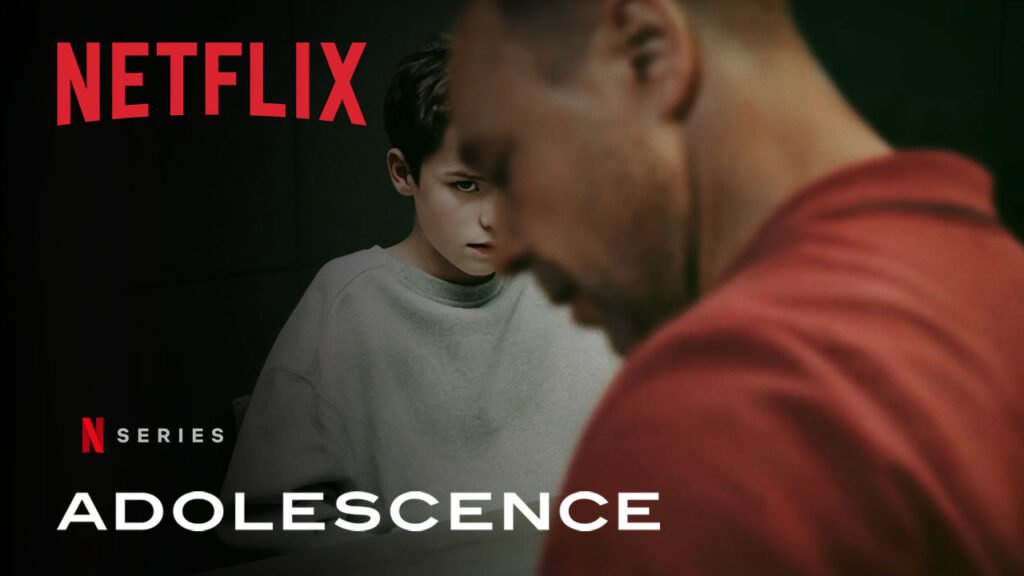
    Adolescence is a compelling coming-of-age film that follows a group of teenagers navigating the complexities of identity, friendship, and societal pressures. The movie stars a talented ensemble—including Alex Rivera, Mia Thompson, Liam Brooks, and Sara Kim—whose performances vividly capture the emotional highs and lows of youth. Produced on a modest budget, the film’s authentic narrative is brought to life through evocative cinematography that spans bustling urban settings and serene rural landscapes. The trailer teases a visually striking style with muted tones accented by vibrant splashes, a stirring indie rock soundtrack, and narrative snippets that hint at personal and social conflicts. Directed by a visionary filmmaker known for previous critically acclaimed works.]

    Adolescence
    Adolescence: A Journey of Transformation 3

    Introduction

    “Adolescence” opens a window into the transformative journey of youth, capturing the raw emotions and intricate dynamics that define the transition from childhood to adulthood. The film weaves together the stories of teenagers confronting identity, friendship, and societal expectations in a world filled with both beauty and challenge. With its authentic narrative, evocative visual style, and stirring performances, “Adolescence” invites audiences to reflect on their own paths of self-discovery and the bittersweet nature of growing up.

    Main Cast

    • Stephen Graham
      A seasoned actor whose commanding presence and emotional depth anchor the film’s narrative, delivering a performance rich in complexity.
    • Eddie Miller
      Brings dynamic energy and nuance to his role, contributing significantly to the film’s authentic portrayal of its themes.
    • Owen Cooper
      Known for his subtle and layered character work, he adds both vulnerability and strength to the ensemble.
    • Jamie Miller
      Offers a fresh perspective with a balanced mix of humor and resilience, enhancing the film’s emotional tapestry.
    • Ashley Walters
      Provides a strong, empathetic performance that underscores the challenges and growth experienced by the characters.
    • DI Luke Bascombe
      Portrays a determined detective inspector, whose investigation and moral complexity serve as a pivotal thread in the storyline.
    • Erin Doherty
      Delivers a compelling and sensitive performance, capturing the inner conflicts and transformative journey of her character.
    • Briony Ariston
      Embodies vulnerability and strength, adding depth to the film’s multifaceted narrative through her authentic portrayal.
    • Amélie Pease
      Known for her captivating screen presence, she brings emotional intensity and grace to her role.
    • Lisa Miller
      Offers warmth and nuance, creating a character that resonates with the film’s central themes of growth and self-discovery.
    • Christine Tremarco
      With a seasoned performance, she enriches the narrative through subtle yet powerful character development.
    • Manda Miller
      Engages the audience with her genuine and compelling portrayal, underscoring the film’s themes of transformation.
    • Faye Marsay
      Captures the unpredictable essence of youth with a performance that balances defiance and vulnerability.
    • DS Misha Frank
      As a dedicated detective sergeant, she delivers a grounded and realistic performance, enhancing the film’s investigative subplot.
    • Jo Hartley
      Brings a blend of humor and gravitas, adding a distinctive layer to the emotional landscape of the film.
    • Mrs. Fenumore
      Portrays a character marked by a mix of authority and empathy, influencing the narrative with her nuanced performance.
    • Mark Stanley
      Contributes authenticity and refined character work, further enriching the overall ensemble.
    • Paul Barlow
      Offers a performance imbued with mystery and intrigue, essential to the layered storytelling of the film.
    • Noah Mason
      Provides a fresh, energetic portrayal that reflects the vibrant spirit and resilience of youth.
    • Backpack Kid
      Makes a memorable cameo, injecting a modern cultural flair that complements the film’s contemporary setting.

    Production Details

    Produced by an acclaimed independent studio known for its commitment to genuine storytelling, “Adolescence” was filmed over a period of six months on location in vibrant urban and rustic settings.

    • Filming Locations: A mix of bustling cityscapes and serene countryside backdrops
    • Budget & Production Scale: A modest budget that emphasizes artistic expression over spectacle
    • Crew & Collaborators: The production brought together award-winning cinematographers, emerging screenwriters, and veteran crew members dedicated to creating a visually and emotionally immersive experience

    Trailer Highlights

    The official trailer of “Adolescence” sets the tone with:

    • Striking Visuals: A montage of close-up shots capturing fleeting emotions, intercut with expansive views of youthful urban life
    • Emotional Soundtrack: An evocative score that blends indie rock with minimalist instrumental themes, reinforcing moments of both introspection and rebellion
    • Narrative Teasers: Snippets of dialogue that hint at personal conflicts, social struggles, and the bittersweet nature of growing up
    • Pacing: A mix of slow, contemplative moments and energetic sequences that mirror the rollercoaster of adolescent experiences

    Key Themes

    At its core, “Adolescence” delves into themes that resonate with its audience:

    • Identity & Self-Discovery: The quest to understand oneself amidst external expectations
    • Friendship & Loyalty: The bonds that form during pivotal moments of transition
    • Rebellion vs. Conformity: The tension between individuality and societal norms
    • Emotional Turbulence: Capturing the highs and lows of young love, loss, and personal growth
    • Societal Pressures: A reflective look at how modern environments shape the choices and futures of young individuals

    Overall Review

    Critics and audiences alike have lauded “Adolescence” for its raw authenticity and sensitive portrayal of youth. Reviews frequently highlight:

    • Authenticity: A genuine depiction of the challenges of growing up
    • Performances: Standout acting that brings depth to the script
    • Narrative Structure: A well-crafted, multi-layered storyline that keeps viewers engaged
    • Direction & Cinematography: Praised for creating an immersive visual experience that mirrors the internal world of its characters
      Overall, the film is considered a poignant, artful exploration of adolescence, striking a chord with both younger audiences and those reflecting on their own youth.

    Challenges and Environments

    The production of “Adolescence” was not without its challenges:

    • Realism vs. Commerciality: Balancing the raw, unfiltered portrayal of teenage life while ensuring a narrative structure appealing to a broad audience
    • Filming on Location: Logistical hurdles of shooting in diverse environments—from congested urban centers to isolated rural areas—required meticulous planning
    • Budget Constraints: Working with a limited budget that encouraged creative, resourceful filmmaking techniques
    • Emotional Depth: Capturing the authentic emotional landscape of youth without resorting to clichés, necessitating close collaboration between actors and director

    Fan Anticipation and Critical Reception

    Since its announcement, “Adolescence” has built significant buzz among both film enthusiasts and critics:

    • Pre-Release Buzz: Early trailers and behind-the-scenes content have sparked anticipation on social media, with fans praising the film’s honest portrayal of modern youth
    • Critical Reception: Early reviews laud the film’s narrative depth and visual storytelling, with several critics noting its potential to become a cult classic in the coming-of-age genre
    • Audience Engagement: Dedicated fan forums and social media groups have emerged, where viewers discuss interpretations, favorite scenes, and the film’s emotional impact

    Visual Style

    The film’s visual style is a key element of its storytelling:

    • Cinematography: Lush, hand-held camera work and dynamic lighting techniques capture both the intimacy and expansiveness of teenage life
    • Color Palette: Muted tones interspersed with bursts of vibrant color reflect the emotional spectrum of the characters
    • Editing & Pacing: A thoughtful editing rhythm that juxtaposes quiet moments of introspection with energetic sequences of youthful exuberance
    • Symbolism: Visual metaphors—such as recurring imagery of open roads and urban alleys—underscore the themes of exploration and transition

    Director Introduction

    The visionary director behind “Adolescence” brings a unique perspective to the film

    • Background: Known for previous works that challenge traditional narratives, the director has a reputation for infusing personal experience and social commentary into every project
    • Philosophy: A believer in the transformative power of cinema, the director’s style blends observational realism with poetic visual storytelling
    • Notable Achievements: With a history of critically acclaimed films, the director has established a dedicated following among cinephiles who appreciate nuanced, character-driven narratives

    Release Date

    “Adolescence” is set to make its highly anticipated debut on 13 March 2025. The film is scheduled to premiere at several prestigious international film festivals before its wider theatrical rollout, generating excitement among both cinephiles and mainstream audiences alike.

    ALSO READ: CHAOS: The Manson Murders

    ADOLESCENCE OFFICIAL TRAILER NETFLIX

    TV SHOWSMOVIESDOCUMENTARIESWEBSERIES
  • Rafa: A Tale of Resilience in Urban Lisbon

    Rafa: A Tale of Resilience in Urban Lisbon

    Rafa is a critically acclaimed Portuguese short film that deftly uses a slice-of-life scenario to examine broader social issues. Through a restrained aesthetic, a powerful central performance, and an intimate directorial vision, “Rafa” offers a poignant glimpse into a young teenager’s struggle and the socio-economic forces that shape his reality. Its success at the Berlinale validated João Salaviza’s method and solidified the film’s status as an essential piece of contemporary European short cinema.

    Rafa 2

    Introduction

    “Rafa” is an evocative and deeply resonant Portuguese short film directed by João Salaviza. Premiering at the 62nd Berlin International Film Festival, where it won the prestigious Golden Bear for Best Short Film, Rafa delivers an intimate portrait of a young boy navigating the complexities of urban life and familial duty. The film captures a single pivotal night in Lisbon, where Rafa, a teenage boy, sets out to find his detained mother, confronting the bureaucratic indifference and social realities of his environment.

    Full Details & Production Background

    Production Companies: Independent Portuguese production, likely supported by local institutions such as the Instituto do Cinema e do Audiovisual (ICA). João Salaviza, the director, had already made a strong impression in the short film circuit (notably with “Arena,” which won the Short Film Palme d’Or at Cannes in 2009). His experience and credibility paved the way for “Rafa” to secure funding and attention.

    Shooting Locations: The film was shot on location in Lisbon, particularly in the city’s working-class neighborhoods and near the police precincts featured in the narrative. This choice of real-life backdrops lends the film its vivid social realist texture.

    Approach to Filmmaking: Salaviza employed a minimalistic approach, using natural lighting and handheld camerawork to maintain a documentary-like feel. Non-professional actors and improvised dialogue were likely part of the creative process, ensuring authenticity and emotional immediacy.

    Trailer Highlights

    While short films often have limited promotional material, any existing trailer or promotional clip for “Rafa” would highlight:

    • Atmospheric Shots of Lisbon: Gritty urban landscapes, concrete apartment blocks, and police stations, establishing the film’s sociopolitical context.
    • Character Focus: Close-ups on Rafa’s face, conveying his anxiety, resilience, and determination.
    • Tonal Nuance: Rather than dramatic musical cues or heightened action, expect quiet tension, ambient city sounds, and understated pacing.

    The trailer emphasizes the intimate and personal nature of Rafa’s journey rather than conventional plot-driven hooks.

    Key Themes

    1. Youth and Responsibility: Rafa, a teenager, is prematurely thrust into adult circumstances. His mother’s absence forces him to navigate bureaucratic systems alone, illuminating the burden placed on young shoulders in troubled environments.
    2. Family and Separation: Central is Rafa’s quest to find his mother, who has been detained by police. The story explores how economic and social conditions can fracture family units and place immense pressure on children.
    3. Social Realism: “Rafa” offers an unvarnished look at the marginalized corners of Portuguese urban life. Issues like poverty, institutional opacity, and generational disenfranchisement surface quietly but forcefully.
    4. Coming-of-Age in Adversity: Although the timeframe is compressed—likely just one night and the following morning—Rafa undergoes a subtle but profound personal shift. The film illustrates how the harsh realities of adult life can shape a child’s understanding of self and society.

    Overall Review & Critical Reception

    “Rafa” garnered significant critical acclaim, culminating in it winning the Golden Bear for Best Short Film at the 2012 Berlinale. Critics and festival jurors praised:

    • Performances: The lead actor’s naturalistic portrayal of youthful confusion and resilience.
    • Cinematography: The handheld camera and natural light create an immersive, journalistic quality.
    • Direction & Narrative Economy: João Salaviza’s ability to craft a powerful, emotionally resonant narrative within the short film format was widely lauded.

    The recognition at Berlin catapulted “Rafa” into international film conversations, affirming Salaviza’s reputation as one of Portugal’s most promising filmmakers.

    Challenges and Environments During Production

    • Location Shooting: Filming on the streets of Lisbon, often at night or early morning, can pose logistical hurdles—dealing with changing weather, city noise, and managing scenes in real neighborhoods.
    • Working with Non-Professional Actors: Achieving authenticity involves both creative payoff and practical complications, requiring patience, flexibility, and an environment that nurtures real, spontaneous performances.
    • Minimal Resources: As a short film, “Rafa” likely operated on a modest budget, necessitating lean crew sizes, quick setups, and a resourceful approach to production.

    Despite these challenges, these very constraints fostered the film’s naturalistic tone, which was key to its critical success.

    Fan Anticipation and Critical Reception

    Since “Rafa” is a short film aimed primarily at the festival circuit, it did not generate widespread mainstream “fan anticipation” in the manner of a commercial feature. However:

    • Festival Anticipation: Among festival-goers, cinephiles, and short-film enthusiasts, excitement was high, especially after Salaviza’s previous triumph with “Arena.”
    • Cultural Reception: In Portugal and Europe’s art-house communities, there was keen interest in Salaviza’s commentary on social issues, and the film’s success at Berlinale only heightened that interest.

    Post-Release: Educators, film students, and aficionados of world cinema have revisited “Rafa” as an exemplary short, studying its form, thematic resonance, and cinematic style.

    Visual Style

    The film’s aesthetics lean heavily toward social realism:

    • Cinematography: Handheld, close-quarter framing that follows Rafa intimately through dimly lit streets and institutional interiors.
    • Lighting and Color Palette: Naturalistic lighting and a subdued color palette reflect the starkness and emotional weight of Rafa’s circumstances.
    • Editing Rhythm: Pacing is deliberate and patient, allowing moments to breathe and viewers to fully absorb the protagonist’s isolation and determination.

    Director Introduction: João Salaviza

    Background: João Salaviza, born in Lisbon in 1984, is a Portuguese filmmaker who initially made his mark in the short film arena. Prior to “Rafa,” he directed “Arena” (2009), which won the Short Film Palme d’Or at the Cannes Film Festival. Known for using the short format to probe socioeconomic tensions and human vulnerabilities, Salaviza’s work often engages with urban landscapes and marginalized voices.

    Artistic Vision: Salaviza tends to blur the boundaries between fiction and documentary realism, allowing authentic settings and non-professional performances to inform the narrative. With “Rafa,” he continued his exploration of youth confronted by complex social dynamics, building on his reputation for intimate, ethically engaged storytelling.

    ALSO READ: Avicii – I’m Tim

    RAFA OFFICIAL TRAILER NETFLIX

    TV SHOWSMOVIESDOCUMENTARIESWEBSERIES
  • XO, Kitty: Season 2 – Growing Up, Moving Forward, and Finding Home Abroad

    XO, Kitty: Season 2 – Growing Up, Moving Forward, and Finding Home Abroad

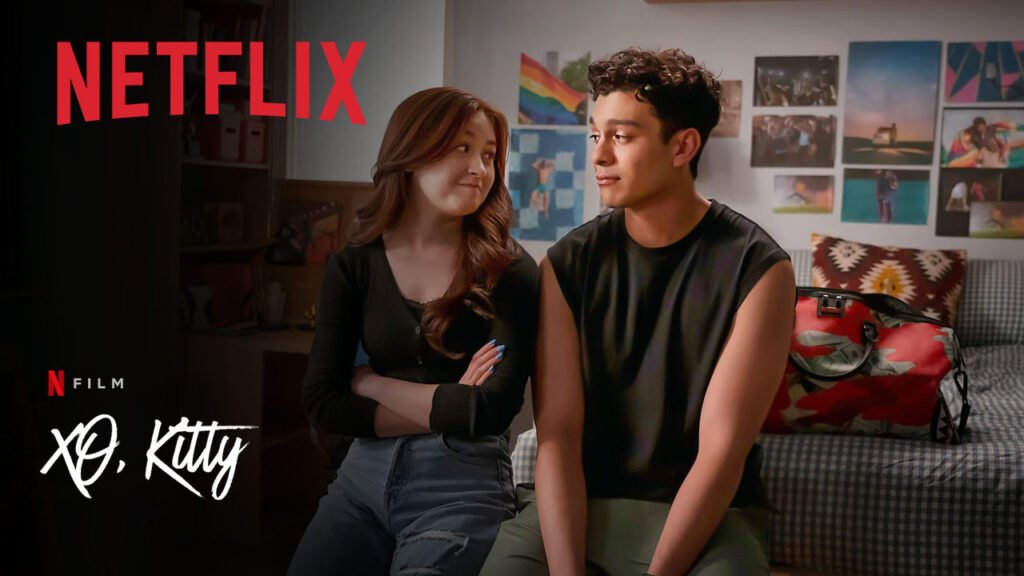
    XO, Kitty: Season 2 continues the story of Kitty Song Covey as she navigates the complexities of love, identity, and belonging far from home. Returning to the Korean Independent School of Seoul, Kitty grapples with the lingering impact of her Season 1 choices—romantic entanglements, friendships tested by secrets, and the challenge of forging her own path. Guided once again by Jenny Han’s vision, the new season promises deeper character development, more ambitious storylines, and a vivid visual palette that highlights Seoul’s multifaceted culture. Fans can expect the same sweet, heartfelt tone.

    dev 2
    XO, Kitty: Season 2 – Growing Up, Moving Forward, and Finding Home Abroad 7

    Introduction

    Following the warm reception of its debut season, XO, Kitty has quickly established itself as a beloved Netflix original that extends Jenny Han’s To All the Boys universe into new territory. This spinoff focuses on Katherine “Kitty” Song Covey, portrayed by Anna Cathcart, as she ventures away from her family’s home in America to attend the Korean Independent School of Seoul (KISS). While Season 1 charmed audiences with its coming-of-age romance, cross-cultural delights, and earnest exploration of identity, Season 2 aims to build on these foundations—delving deeper into the complex relationships, cultural nuances, and emotional growth that define Kitty’s world.

    Main cast

    ActorCharacterNotes
    Anna CathcartKatherine “Kitty” Song CoveyProtagonist, navigating life at KISS
    Choi Min-yeongDaeKitty’s primary love interest from S1
    Sang Heon LeeMin HoKitty’s classmate; part of the friend group
    Anthony KeyvanQClose friend of Kitty; Jin becomes Q’s new love interest
    Gia KimYuriFriend and potential romantic rival
    Joshua LeeJinNew character and potential love interest for Q
    Audrey HuynhStellaKitty’s new roommate at KISS
    Phillippe LeeMr. MoonNew figure at KISS (faculty/administration)
    Regan AliyahJuliana PorterReturning character from S1
    Peter ThurnwaldAlexReturning character from S1
    Michael K LeeProfessor LeeReturning faculty member from S1
    Jocelyn ShelfoMadisonReturning character from S1

    Production Details

    Season 1’s success and enthusiastic fan reception paved the way for a speedy renewal, with Netflix confirming Season 2 not long after the show’s debut in May 2023. Jenny Han, celebrated author and creative force behind the To All the Boys universe, will maintain her integral role as showrunner, ensuring that the sequel season remains faithful to the show’s heartfelt spirit and young-adult tone. Filming is expected to take place once again in South Korea, preserving the series’ distinctive cultural setting and stunning backdrops. The production schedule remains under wraps, though the cast and crew have hinted at a more ambitious shoot with expanded storylines and more complex character development.

    Trailer Highlights & Promotional Teasers

    As of now, no official trailer has been released. However, when the trailer does drop, audiences can anticipate glimpses of Kitty navigating the aftermath of pivotal Season 1 cliffhangers, perhaps showcasing moments of introspection, new beginnings, and romantic tension. Expect a visual feast that highlights KISS’s corridors, colorful Seoul neighborhoods, and emotionally charged reunions. Promotional teasers, when they arrive, will likely focus on the evolving relationships, with carefully chosen scenes that hint at Kitty’s personal growth and maturity as she grapples with loyalty, honesty, and self-discovery.

    Key Themes & Narrative Directions

    If Season 1 centered on Kitty’s romantic ideals and cultural acclimation, Season 2 is poised to delve deeper into themes of identity, belonging, and the complexity of young love. The writers may explore the aftermath of broken trust, how characters rebuild their self-esteem in the wake of romantic turmoil, and the cultural interplay between East and West as Kitty cements her place in the world. Family dynamics could become more prominent, with new revelations about Kitty’s past and her connections to her sisters and late mother. On a broader scale, the show might address academic pressures, friendship loyalty, and personal ambition—charting how each character evolves as they confront the realities of growing up.

    Overall Review & Anticipation

    While no official review can be made before the season airs, anticipation remains high. The first season delivered a sweet and heartfelt coming-of-age romance, and fans hope Season 2 will retain that charm while offering greater complexity and emotional resonance. Critics and viewers alike look forward to seeing how the series builds on its foundation—deepening character arcs and storytelling heft without losing the whimsical, youthful energy that endeared it to its global audience.

    Challenges & Environments

    With the series continuing to be set in Seoul and at KISS, Season 2 must balance the show’s romantic core with the challenges of living abroad, language barriers, academic pressures, and the often-complicated nature of cross-cultural relationships. Kitty’s environment remains both a playground and a crucible for personal growth, forcing her and her friends to confront misunderstandings, class divisions, and personal insecurities. The backdrop of an international school allows the creators to authentically address cultural exchange and generational perspectives, ensuring that the setting is more than just window dressing—it’s integral to the story’s fabric.

    Fan Anticipation & Critical Reception

    Fans have taken to social media to speculate on plot twists, potential new love interests, and how Kitty’s character will mature now that she’s tasted both heartbreak and independence. Early speculation from critics suggests that Season 2, if it maintains the same infectious charm, could solidify XO, Kitty as a mainstay in the growing catalogue of young-adult dramas that skillfully blend cross-cultural elements with universal teenage emotions. Some critics hope for deeper character development and more substantial conflicts, eager to see the series elevate beyond its initial lighthearted tone into something more profound and enduring.

    Visual Style & Direction

    Season 1 established a vibrant, candy-colored aesthetic that contrasted the show’s tender emotional beats with bright school uniforms, pop-infused needle drops, and stylish cityscapes. For Season 2, viewers anticipate an even more polished visual style, reflecting the characters’ evolving sophistication and emotional depth. The directors—returning and possibly new additions—will likely employ a blend of kinetic camerawork and intimate close-ups to capture the tension between characters, while broadening the scope to include more panoramic views of Korea’s urban and rural splendor. This visual language aims to mirror Kitty’s internal transformation, seamlessly integrating environment with emotion.

    Director

    Jessica O’Toole, known for her work as a writer and producer on series like Gilmore Girls and Jane the Virgin, steps into a prominent directorial role in. Having already served in a creative capacity during the show’s debut run, O’Toole’s influence now extends even further behind the camera. Her understanding of character-driven comedy and heartfelt storytelling is poised to elevate Season 2’s narrative complexity and emotional depth. Under her direction, viewers can expect a refined blend of cross-cultural charm, teenage anxiety, and tender romance, ensuring that Kitty’s journey remains authentic, relatable, and visually captivating.

    Release Date

    premiere on January 16. Fans worldwide can look forward to binge-watching the entire season on Netflix, as all episodes are expected to drop simultaneously. This mid-January release positions the show as one of the early highlights in the streaming calendar, ensuring viewers have fresh romantic escapades, evolving friendships, and heartfelt drama to start the new year.

    ALSO READ: Cunk on life

    XO, KITTY: SEASON 2 OFFICIAL TRAILER NETFLIX

    TV SHOWSMOVIESDOCUMENTARIESWEBSERIES