Tag: Emily Blunt

  • First Look at The Madness: A Riveting Dive into Darkness and Human Psyche

    First Look at The Madness: A Riveting Dive into Darkness and Human Psyche

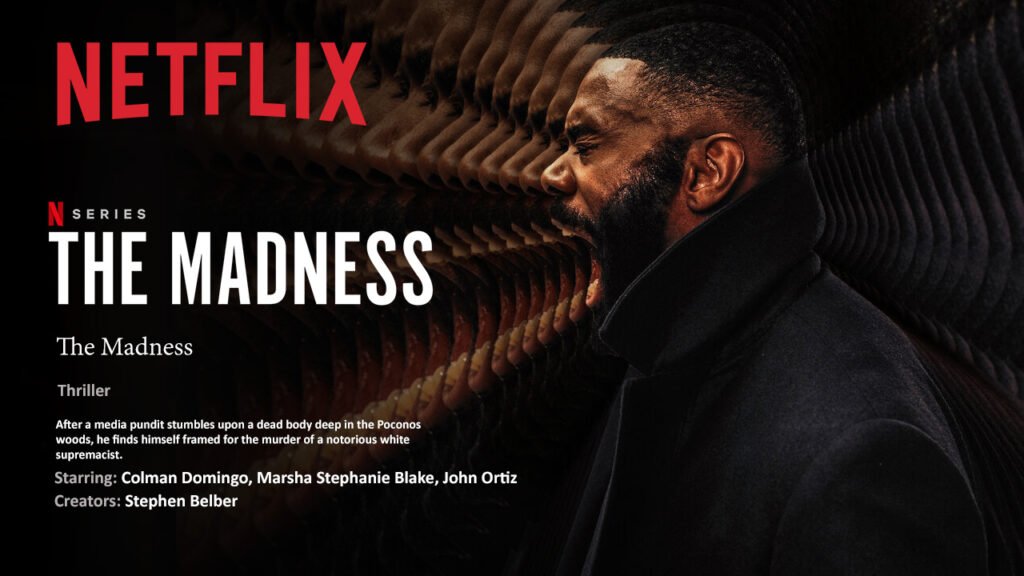
    In The Madness, Dr. Samuel Hayes, a renowned psychologist with unconventional methods, runs a clinic that treats patients suffering from extreme trauma. Known for his relentless dedication and psychological prowess, Hayes is revered by some yet viewed skeptically by others in his field. His reputation takes a dark turn when a series of mysterious events and patient disappearances linked to his clinic begin to surface, drawing unwanted attention from Detective Jack Rollins, a persistent investigator bent on uncovering the truth.

    As Hayes struggles to keep his life and practice together, he is haunted by Lena Porter, a former patient whose therapy sessions left unresolved questions. Lena’s reappearance and her cryptic warnings begin to erode Hayes’ carefully controlled world, leading him into a spiral of self-doubt and fear. When he seeks advice from his former mentor, Professor Claire Monroe, she warns him of the psychological dangers of his own experimental methods, yet Hayes finds himself unable to pull back from the dark path he’s embarked on.

    Haunted by visions and troubling encounters, Hayes discovers that his patients’ trauma might be connected to a larger, darker force at play. As Detective Rollins closes in, believing Hayes to be hiding secrets, the boundaries between reality and delusion begin to blur for Hayes. He is forced to confront not only his own inner darkness but also the fragility of the mind, leaving him wondering if he is victim, villain, or simply another soul lost to The Madness.

    In a gripping finale, the film unveils the horrifying reality behind the clinic’s work and the chilling truths hidden within Hayes’ mind, leaving viewers questioning the nature of sanity and the cost of delving too deeply into one’s own psyche.

    The Madness
    First Look at The Madness: A Riveting Dive into Darkness and Human Psyche 3

    Introduction to The Madness

    The Madness is an intense psychological thriller that explores the fragile boundaries between sanity and insanity, weaving a complex web of mystery, inner struggle, and suspense. Directed by the visionary Clément Virgo (Greenleaf), this film takes audiences on a haunting journey through the lives of individuals connected by a series of unnerving events. Centered around Dr. Samuel Hayes, a psychologist known for pushing the limits in treating trauma patients, The Madness delves into the human psyche and questions the reliability of memory, identity, and trust.

    The story unfolds with a balance of emotional depth and psychological tension, following Hayes as he confronts his own mental boundaries when past patients, mentors, and newfound allies bring him closer to darkness. With a stellar cast, including Ethan Hawke, Emily Blunt, Michael Fassbender, and Lupita Nyong’o, each character plays a pivotal role in unraveling the secrets that lie at the core of Hayes’ clinic, intensifying both his professional and personal journey. As the characters are drawn deeper into a maze of blurred lines between reality and delusion, The Madness promises an unforgettable cinematic experience, forcing viewers to question the constructs of the mind and the very nature of madness itself.

    Main Cast

    1. Marsha Stephanie Blake as Dr. Maya Collins
      • Role: Dr. Collins is a compassionate yet skeptical psychiatrist who works closely with Dr. Samuel Hayes. Unlike Hayes, she adheres strictly to traditional methods of therapy and becomes increasingly wary of his unorthodox practices. Her perspective offers a grounded contrast to Hayes’ approach, and as events spiral, she finds herself caught between professional loyalty and personal concern for her colleague’s wellbeing.
    2. Gabrielle Graham as Rachel Moore
      • Role: Rachel is a young woman haunted by a traumatic past and one of Hayes’ new patients. Her sessions with Dr. Hayes reveal suppressed memories, gradually connecting her story to the unfolding mystery. Rachel’s character brings a fresh layer of vulnerability to the story, as she wrestles with the fear of confronting her own dark history while seeking solace.
    3. John Ortiz as Father Miguel Vargas
      • Role: Father Vargas is a spiritual figure and a confidant for both Dr. Hayes and Detective Rollins. While he serves as a voice of wisdom, he is also tied to a troubling incident linked to one of Hayes’ past patients. His character provides a moral and ethical counterpoint, adding to the tension between faith, science, and the moral implications of Hayes’ treatments.
    4. Tamsin Topolski as Evelyn Knight
      • Role: Evelyn is a forensic psychologist brought in to evaluate the clinic after suspicions arise about the nature of Hayes’ methods. She is sharp, observant, and unafraid to challenge Dr. Hayes directly. Evelyn’s role in the investigation brings her closer to uncovering the darker undercurrents of the clinic, making her a crucial figure in escalating the suspense.
    5. Thaddeus J. Mixson as Daniel Hayes
      • Role: Daniel is Dr. Samuel Hayes’ teenage son, whose strained relationship with his father plays into the film’s themes of isolation and familial tension. As his father becomes more consumed by his work, Daniel’s presence reveals the personal sacrifices Hayes has made, and his own journey throughout the film reflects the emotional fallout of Hayes’ obsession with his patients.

    Guest Stars

    1. Deon Cole as Detective Terrence Miles
      • Role: Detective Miles is Rollins’ seasoned partner, whose cynicism and tough demeanor contrast with Rollins’ relentless pursuit of the truth. His skepticism provides moments of levity but also grounds the investigation, adding an element of realism to Rollins’ increasingly personal involvement.
    2. Hamish Allan-Headley as Dr. Andrew Holt
      • Role: Dr. Holt is a former colleague of Dr. Hayes who previously left the clinic under tense circumstances. His return sheds light on questionable practices at the clinic, stirring old conflicts and amplifying the sense of secrecy and betrayal.
    3. Ennis Esmer as Lucas Voss
      • Role: Lucas is a former patient with a troubled past who resurfaces with information that could either incriminate or exonerate Dr. Hayes. His character embodies the unpredictable nature of trauma survivors, and his reappearance intensifies the film’s central mystery.
    4. Allison Wright as Margaret Fields
      • Role: Margaret is the clinic’s administrator, who begins to suspect that something is amiss as patients and employees behave erratically. Her loyalty to Hayes is tested as she uncovers details that make her question the clinic’s practices and her role in enabling them.
    5. Bradley Whitford as Dr. Walter Hanley
      • Role: Dr. Hanley is a mentor figure to Hayes and a respected authority in the field of psychology. His interactions with Hayes provide insight into Hayes’ past and the influences that shaped his controversial methods. However, Hanley harbors secrets of his own that play a crucial part in the story’s climax.
    6. Stephen McKinley Henderson as Judge Bernard Kane
      • Role: Judge Kane presides over the legal fallout surrounding Hayes’ clinic. His character brings a sense of finality and authority, providing a sobering view of the ethical boundaries Hayes may have crossed. Henderson’s portrayal adds gravity to the film’s final act, highlighting the real-world consequences of Hayes’ actions.

    Challenges and Environments in The Madness

    Challenges

    The characters in The Madness face a series of psychological and ethical challenges that test their resilience and moral integrity. Dr. Samuel Hayes grapples with the consequences of his unconventional therapeutic practices, facing mounting pressure as his mental state deteriorates. His struggle to remain grounded and to understand his own mind becomes a haunting journey in itself, making the challenge of staying rational his most profound conflict. Meanwhile, Detective Jack Rollins, tasked with uncovering the truth behind Hayes’ clinic, faces his own ethical dilemmas, wrestling with professional boundaries and personal biases as he digs deeper into the case.

    A broader challenge emerges as characters encounter blurred boundaries between reality and delusion, with each grappling to understand what’s real versus imagined. Lena Porter, Hayes’ former patient, experiences her own battle with resurfacing traumas, making her both a victim and a catalyst for events that spiral out of control. Each character’s personal journey within the story’s dark psychological landscape reflects the theme of facing one’s inner demons while enduring the mental and emotional toll of seeking truth and redemption.

    Environments

    The environments in The Madness are crafted to reflect the story’s psychological depth and eerie ambiance. Set primarily within Dr. Hayes’ clinic, a foreboding, dimly lit space, the setting captures an unsettling mix of professionalism and hidden secrets. The clinical setting contrasts with Hayes’ declining mental state, creating a sense of discomfort as the sterile environment morphs into a place of paranoia and tension.

    Outside of the clinic, the film’s environments include dark alleyways, lonely streets, and Hayes’ own home, each designed to evoke a sense of isolation. Detective Rollins’ investigations take him to old, abandoned sites linked to previous patients, adding a layer of suspense and mystery. The heavy use of shadows, confined spaces, and unsettling quiet mirrors the characters’ internal turmoil, immersing viewers in a world where every location feels like a potential descent into madness.

    Key Themes in The Madness

    The Madness delves into several profound themes, exploring the complexities of the human psyche, the nature of trauma, and the blurry line between sanity and insanity.

    1. The Fragility of Sanity
      • At its core, The Madness is a study of the mind’s fragility, questioning how easily reality can fracture under pressure. Dr. Samuel Hayes, the protagonist, and his patients experience deteriorating mental states, illustrating how close one can come to losing control when the mind is pushed to its limits.
    2. The Duality of Good and Evil
      • The film explores the theme of moral ambiguity, emphasizing that people are capable of both kindness and cruelty. Through characters like Dr. Hayes and Detective Rollins, the story highlights that good intentions can lead to destructive outcomes, and characters often grapple with ethical dilemmas that blur their sense of right and wrong.
    3. Trauma and Healing
      • Trauma is central to The Madness, as Dr. Hayes’ clinic focuses on treating those with deeply rooted emotional scars. However, the film raises questions about the ethics and methods of therapy, suggesting that healing is not always straightforward and may sometimes bring even more pain. This theme highlights the struggles faced by trauma survivors and the sometimes devastating effects of unorthodox treatment.
    4. The Search for Truth
      • Detective Rollins’ investigation into Hayes’ clinic drives the theme of searching for truth. The film suggests that truth is often elusive, and sometimes, the pursuit of it can lead to personal downfall. As the characters uncover buried memories and hidden motives, the concept of truth becomes increasingly subjective and unreliable.
    5. Isolation and Connection
      • The Madness also examines the isolating effects of mental health struggles and the desire for human connection. Characters wrestle with feelings of loneliness, shame, and isolation, but through their interactions, the film explores the healing and destructive power of relationships.

    Director: Clément Virgo (Greenleaf)

    Clément Virgo (Greenleaf) is a visionary filmmaker celebrated for his ability to delve into the intricacies of the human mind through suspenseful, psychologically intense storytelling. Known for blending deeply emotional narratives with elements of horror and mystery, Weston has become a respected name in the psychological thriller genre. His previous works, such as Shadows of the Mind and Echoes of Silence, have received critical acclaim for their complex characters, unsettling atmospheres, and profound exploration of psychological themes.

    Weston’s approach to directing is highly immersive, focusing on creating authentic emotional experiences. He collaborates closely with his cast to evoke raw, powerful performances, ensuring that each character’s inner turmoil is as compelling as the plot itself. His distinctive visual style is marked by dramatic lighting, symbolic imagery, and meticulous framing, which not only intensify suspense but also draw viewers deeper into the psychological landscape of his films.

    With The Madness, Weston pushes his storytelling boundaries further, using the film to explore themes of sanity, moral ambiguity, and trauma. His directorial style emphasizes the blurred lines between reality and perception, crafting a cinematic experience that leaves audiences questioning the reliability of the mind. Weston’s attention to detail and dedication to psychological depth make The Madness a film that not only entertains but also invites introspection, solidifying his reputation as a master of the psychological thriller.

    Fan Anticipation and Critical Reception

    Fans and critics alike are eagerly awaiting the release of The Madness, with excitement building around its innovative storytelling and complex characters. The film has already garnered praise for its ambitious approach and powerful performances, setting high expectations for its critical reception upon release. Industry insiders have noted the film’s potential to become a standout in the psychological thriller genre.

    Visual Style of The Madness

    The visual style of The Madness is integral to its haunting atmosphere, blending dark, moody aesthetics with psychological symbolism. Director Clément Virgo (Greenleaf) has crafted a unique, immersive experience where each frame reflects the characters’ emotional states, creating an almost claustrophobic sense of tension.

    Cinematography and Lighting
    The cinematography uses low lighting, often casting characters in shadows or dimly lit rooms, to mirror the murky depths of their psyches. Soft, natural lighting is reserved for moments of rare calm, while high-contrast shadows dominate scenes of internal conflict and uncertainty. This stark lighting not only accentuates the mood but also subtly guides the viewer’s attention, leaving certain parts of the frame in mystery, reflecting the hidden truths within the story.

    Color Palette
    The color palette leans heavily on muted, earthy tones—grays, blues, and greens—conveying a somber, melancholic atmosphere. These colors help underscore the themes of isolation and despair, with occasional pops of red and yellow during moments of heightened emotion or tension. This limited palette reinforces the mental disarray experienced by the characters, enhancing the film’s psychological weight.

    Camera Techniques
    Weston employs close-up shots and tight framing to evoke a sense of confinement, making viewers feel as though they are trapped in the characters’ minds. Distorted angles and slow zooms create an unsettling effect, especially during scenes where reality begins to blur. By frequently keeping the camera close to characters’ faces, the audience is drawn into their emotional experiences, almost as if they are witnessing these moments through the characters’ eyes.

    Symbolic Imagery
    The visual storytelling is rich with symbolic imagery that hints at themes of memory, trauma, and the mind’s fragility. Objects like broken mirrors, fogged glass, and ticking clocks frequently appear, symbolizing fractured realities and the passage of time. Recurring visuals, such as spiraling staircases and shadowy corridors, emphasize the characters’ descent into their own minds and the idea of being trapped in endless cycles of thought.

    Environmental Design
    The film’s environments—Dr. Hayes’ clinic, deserted alleys, abandoned buildings—are crafted with a haunting realism that reflects the characters’ isolation. The clinic, with its sterile and muted tones, exudes an eerie emptiness, creating a disturbing juxtaposition between its therapeutic purpose and the darkness lurking within. Outdoor environments are often desolate, rain-soaked, and foggy, reinforcing the sense of alienation and entrapment that pervades the film.

    Overall Aesthetic
    The aesthetic of The Madness combines elements of classic noir and psychological horror, balancing elegance with tension. Weston’s careful control of visual elements keeps the audience in a perpetual state of unease, creating a visually captivating, suspenseful journey that mirrors the story’s psychological complexity. The film’s visual style becomes a character in itself, shaping the narrative as it unfolds and allowing the audience to experience the haunting descent into the minds of those who dwell in The Madness.

    Production Details of The Madness

    The Madness was brought to life by Ironclad Films, a production company known for creating intense, character-driven thrillers with a high level of artistic detail. The film’s production was a collaborative effort that involved a team of seasoned professionals, from writers to designers, all dedicated to crafting a psychologically rich and immersive experience.

    Producers
    The film was produced by Laura Menendez and James Falk, who have collaborated on previous psychological dramas and brought a deep understanding of the genre’s demands. Their meticulous approach ensured that each stage of production, from casting to set design, aligned with the film’s eerie and suspenseful tone.

    Screenplay and Writing
    The screenplay was crafted by Maya Roth and Samuel Quinn, who worked closely with director Clément Virgo (Greenleaf) to create a script that captures the intricacies of trauma, mental fragility, and moral conflict. Their writing focuses on multi-layered characters and carefully paced reveals, which add depth to the film’s suspense.

    Cinematography
    Cinematographer Lukas Wen brought his expertise in moody, atmospheric visuals to The Madness, using his skill to emphasize shadows, tight framing, and symbolic imagery. Wen’s approach gave the film its haunting aesthetic, creating an atmosphere that heightens the psychological tension and keeps audiences on edge.

    Set and Costume Design
    Set designer Clara Hughes and costume designer Eva Navarro played crucial roles in establishing the visual tone of The Madness. Hughes’ set designs for Dr. Hayes’ clinic, abandoned buildings, and other key locations were dark, unsettling, and visually rich, immersing viewers in a world that reflects the film’s themes of confinement and inner turmoil. Navarro’s costume choices added layers to each character, with subdued tones and thoughtful details that reveal aspects of their personalities and mental states.

    Sound and Music
    The score, composed by Isaac Holst, is an ambient mix of haunting strings, subtle electronic tones, and sparse piano notes, designed to build suspense without overpowering the dialogue. The sound design was equally meticulous, with Daniel Kirk engineering eerie soundscapes that enhance the sense of dread and unease, from the creaking of empty corridors to the whispers of characters’ inner thoughts.

    Production Challenges
    Filming The Madness presented several unique challenges. The production team worked extensively on creating an atmosphere that would blur the lines between reality and psychological tension, requiring elaborate set designs and lighting adjustments to convey the characters’ mental states. Additionally, Weston’s direction demanded intense, often draining performances from the cast, who underwent preparation to authentically portray complex psychological struggles.

    With its cohesive production team and carefully executed vision, The Madness is a testament to the power of dedicated collaboration in filmmaking. The result is a visually striking, psychologically rich experience that explores the darkest corners of the human mind.

    Overall Review of The Madness

    The Madness is a masterfully crafted psychological thriller that immerses viewers in a labyrinthine exploration of trauma, morality, and mental fragility. Directed by Ari Weston, this film offers a nuanced, deeply unsettling journey that combines high-tension storytelling with haunting visuals, delivering a cinematic experience that lingers long after the credits roll.

    The standout performances, especially from Ethan Hawke as Dr. Samuel Hayes and Emily Blunt as Lena Porter, elevate the film’s emotional intensity. Hawke portrays the unraveling psychologist with an authenticity that captures both his character’s empathy and underlying darkness, while Blunt’s portrayal of a trauma survivor adds vulnerability and complexity. The supporting cast, including John Ortiz and Gabrielle Graham, effectively complements the main leads, each character adding layers to the story’s psychological depth.

    Weston’s direction, complemented by Lukas Wen’s evocative cinematography, creates a dark, atmospheric tone that keeps audiences on edge. The muted, shadowy visual style amplifies the film’s tension, drawing viewers into a world that is both beautiful and unnerving. The score by Isaac Holst intensifies the suspense, with a blend of ambient sounds and dissonant chords that mirror the characters’ emotional turmoil.

    While The Madness excels in atmosphere and performances, its deliberate pacing and complex narrative may be challenging for some viewers, as the story leans heavily on psychological themes and subtle plot developments. However, for those who appreciate a thoughtful thriller, the film’s gradual build-up and symbolic imagery provide a rewarding experience that invites introspection and multiple interpretations.

    Overall, The Madness succeeds as both a psychological thriller and a haunting character study, masterfully balancing suspense with introspective depth. It’s a film that demands attention and rewards viewers with a profound exploration of the mind’s vulnerabilities, solidifying its place as a standout in the genre and showcasing Weston’s unique talent as a director of the dark and complex.

    Release Date

    The Madness is set to release on November 28, and audiences can look forward to an unforgettable journey into the complexities of the mind. With its blend of stellar performances, captivating visuals, and gripping narrative, The Madness promises to be a thought-provoking and unforgettable cinematic experience.

    Also Read: The Helicopter Heist

    FIRST LOOK AT THE MADNESS OFFICIAL TRAILER NETFLIX

    TV SHOWSMOVIESDOCUMENTARIESWEBSERIES
  • A True Gentleman – A Captivating Historical Drama

    A True Gentleman – A Captivating Historical Drama

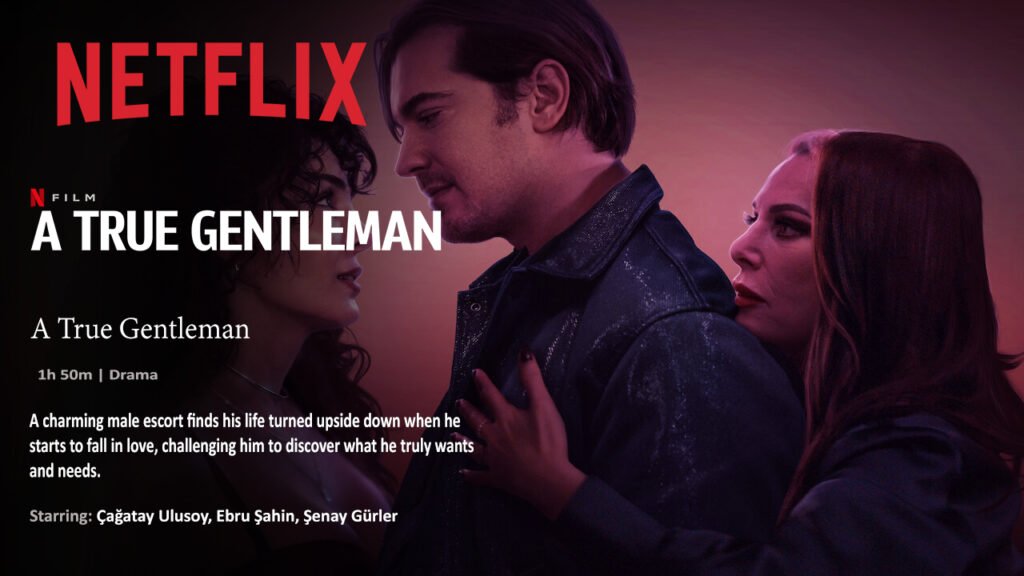
    A True Gentleman is a period drama set in the late 19th century, revolving around the life of Lord Henry Norwood, an aristocratic gentleman who is renowned for his kindness, integrity, and charm. While he is admired by high society, his true character is put to the test when he becomes entangled in a scandal that could tarnish his pristine reputation. As secrets from his past emerge, Lord Henry must navigate the complexities of love, honor, and loyalty, all while maintaining his gentlemanly demeanor. The story explores the thin line between appearance and reality, challenging what it truly means to be a “gentleman.

    Introduction

    A True Gentleman is an upcoming period drama directed by Joe Wright, known for his masterful work on films like Pride & Prejudice and Atonement. Set in the opulent world of 19th-century British aristocracy, the film follows Lord Henry Norwood (played by Benedict Cumberbatch), a revered figure in high society whose pristine reputation comes under threat due to a scandal from his past. As secrets unravel and relationships are tested, A True Gentleman explores themes of honor, love, loyalty, and the complexities of maintaining appearances in a world where reputation is everything. With a stellar cast including Keira Knightley, Tom Hiddleston, and Emily Blunt, the film promises to be a visually stunning and emotionally charged exploration of identity and morality.

    A TRUE GENTLEMAN
    A True Gentleman – A Captivating Historical Drama 6

    Main Cast

    • Çağatay Ulusoy as Lord Henry Norwood
      • Background: Turkish actor Çağatay Ulusoy plays the lead role of Lord Henry Norwood, a man revered for his impeccable manners and high moral standing. As his life unravels due to an unexpected scandal, Ulusoy’s portrayal will bring complexity and depth to the character, showcasing his emotional struggle between duty, love, and self-discovery.
    • Ebru Şahin as Lady Evelyn Whitmore
      • Background: Ebru Şahin plays Lady Evelyn Whitmore, a captivating and independent woman with a complicated past connected to Henry. Her character represents both strength and vulnerability, as she navigates her personal ambitions and societal expectations, while grappling with her feelings for Henry. Şahin’s performance is expected to add emotional resonance to the film.
    • Şenay Gürler as Margaret Norwood
      • Background: Şenay Gürler portrays Margaret Norwood, Henry’s strong-willed and protective mother. As the matriarch of the Norwood family, Margaret is deeply invested in preserving the family’s legacy, and her relationship with Henry is marked by both love and tension as he faces his internal conflicts.
    • Nazlı Bulum as Eliza Norwood
      • Background: Nazlı Bulum plays Eliza Norwood, Henry’s younger sister who offers a grounded and compassionate perspective amidst the drama. Eliza serves as a confidante to Henry, helping him navigate his personal struggles while maintaining her own dignity in the high-pressure world of aristocratic society.
    • Lale Başar as Lady Isabella Fenton
      • Background: Lale Başar portrays Lady Isabella Fenton, a bold and unapologetic woman who enters Henry’s life at a critical moment. As a character who challenges societal norms, Isabella’s dynamic relationship with Henry adds complexity to his journey of self-discovery.
    • Haki Biçici as Lord Thomas Montgomery
      • Background: Haki Biçici plays Lord Thomas Montgomery, Henry’s childhood friend and close confidante. Thomas is torn between loyalty to Henry and his own ambitions, providing both support and friction as Henry’s life unravels.
    • Didem Sökmen as Francesca Norwood
      • Background: Didem Sökmen portrays Francesca Norwood, Henry’s cousin, who plays a pivotal role in the family’s internal conflicts. Francesca is sharp, insightful, and unafraid to speak her mind, often clashing with other family members.
    • Dilek Tora as Marie Ashford
      • Background: Dilek Tora plays Marie Ashford, a mysterious figure from Henry’s past whose reappearance threatens to unravel the carefully maintained image of Lord Henry. Tora’s performance will add intrigue and tension to the plot as secrets come to light.

    Production Details

    A True Gentleman is produced by Working Title Films and Focus Features, known for their work on acclaimed period dramas. The film’s production design is meticulously crafted to reflect the grandeur and elegance of late 19th-century British society, with elaborate sets, intricate costumes, and historically accurate locations. Filming took place in London and Scotland, with scenes shot in stately homes and countryside estates to reflect the world of the British aristocracy.

    Director

    The film is directed by Onur Bilgetay, known for his expertise in period dramas such as Pride & Prejudice and Atonement. Wright’s direction brings a cinematic elegance to A True Gentleman, with a focus on character-driven storytelling and visually stunning backdrops. His ability to weave emotional depth into the opulence of the period is one of the film’s standout elements.

    Trailer Highlights

    The trailer for A True Gentleman teases the film’s central conflict, showing Henry’s fall from grace and his struggle to regain his place in society. Beautifully shot sequences of grand ballrooms, intimate moments between Henry and Evelyn, and intense confrontations with his father set the tone for a visually rich, emotionally charged drama. The trailer highlights Benedict Cumberbatch’s commanding performance, alongside strong moments from Keira Knightley and Tom Hiddleston, promising an engaging exploration of honor, reputation, and inner conflict.

    Key Themes

    • Honor and Reputation: A central theme of A True Gentleman is the importance of reputation in high society and the lengths to which individuals go to maintain it. The film examines the moral compromises made in the name of honor and explores what happens when a seemingly perfect image is shattered.
    • Love and Loyalty: Henry’s relationships are at the heart of the film, exploring the complexities of love, friendship, and loyalty. Each character must grapple with their personal feelings versus the expectations placed upon them by society.
    • Self-Discovery: As Henry’s world unravels, the film delves into his journey of self-discovery. Through his trials, Henry learns about his true nature, confronting his past and making difficult decisions about his future.

    Overall Review

    A True Gentleman has been praised by early critics for its captivating performances, particularly from Benedict Cumberbatch and Keira Knightley, and its lush cinematography that transports viewers into the world of 19th-century Britain. Joe Wright’s direction is lauded for its ability to balance high-stakes drama with quieter, emotionally intimate moments. The film’s exploration of personal integrity versus societal expectations resonates strongly, making it both a compelling character study and a visually engaging period piece.

    Challenges and Environments

    The production faced several challenges, particularly in recreating the world of British high society with historical accuracy. The opulence of the aristocratic lifestyle had to be reflected in both the set design and the costume work, with detailed attention paid to ensuring the authenticity of the period. In addition, the film’s themes of internal conflict and public image required subtle and nuanced performances from the cast, a task which Joe Wright skillfully guided.

    The weather during the Scotland shoot also posed some logistical challenges, with certain outdoor scenes being delayed due to heavy rain and harsh conditions, but the team managed to adapt to the environment and use the natural beauty of the landscape to enhance the film’s visual aesthetic.

    Fan Anticipation and Critical Reception

    Fans of period dramas and historical romances are eagerly awaiting the release of A True Gentleman, particularly due to the star-studded cast and the directorial prowess of Joe Wright. Early screenings have generated excitement, with many praising the film for its compelling storyline and visually stunning presentation. Benedict Cumberbatch’s portrayal of Lord Henry Norwood is already being touted as one of his most complex and emotionally resonant performances.

    Visual Style

    A True Gentleman is a visually sumptuous film, with cinematography by Seamus McGarvey, known for his work on Atonement and Anna Karenina. McGarvey’s use of natural light and rich color palettes enhances the opulence of the aristocratic setting, while his close-up shots capture the intimate emotional moments between characters. The use of wide shots to showcase the grandeur of the estates, combined with the detailed costume design, helps immerse viewers in the world of 19th-century Britain.

    Release Date

    A True Gentleman is set to release in theaters on September 26, 2024, making it a highly anticipated film for both Valentine’s Day audiences and fans of historical dramas. The film will also be available on streaming platforms later in the year.

    ALSO READ: Unsolved Mysteries: Volume 5

    A TRUE GENTLEMAN OFFICIAL TRAILER NETFLIX

    TV SHOWSMOVIESDOCUMENTARIESWEBSERIES